

견적문의
페이지 정보
작성자 Linnea Baskett 댓글댓글 0건 조회조회 153회 작성일작성일 26-06-24 04:05본문
| 회사명 | FT |
|---|---|
| 담당자명 | Linnea Baskett |
| 전화번호 | KK |
| 휴대전화 | VX |
| 이메일 | linneabaskett425@gmail.com |
| 프로젝트유형 | |
|---|---|
| 제작유형 | |
| 제작예산 | |
| 현재사이트 | |
| 참고사이트1 | |
| 참고사이트2 |
A fresh coat of paint can redefine a room’s energy, align it with modern design, and even improve perceived space and light. In this guide, we explore practical approaches to residential painting and home painting that help homeowners plan, choose finishes, and coordinate with trusted professionals. You’ll discover how color psychology, tool selection, surface prep, and maintenance practices come together to deliver durable, beautiful results. With clear steps and real‑world tips, this article aims to empower you to approach your project with confidence and clarity.
Creating an atmosphere through color choices in residential painting
Selecting the right palette for living spaces influences how you experience everyday moments, and residential painting can shape mood with subtle shifts in shade and saturation. The conversation often starts with lightness, contrast, and how existing furniture interacts with the walls residential painting and underscores your room’s personality. In practice, you’ll evaluate natural light, room function, and enduring materials before finalizing swatches.
A second consideration is finish level, where matte, eggshell, satin, and semi‑gloss each map to different traffic levels and cleaning needs. Preparing the walls properly, patching holes, and sealing surfaces are essential steps that protect color longevity and keep your investment looking intentional for years to come.
Planning a cohesive approach to home painting projects
When approaching a home painting project, consistency across rooms helps buyers and guests experience a unified story from entry to living areas. The planning phase hinges on timing, budget, and the ability to coordinate multiple spaces interior wall painting so that materials and labor align with your schedule. From there, choosing a base palette and accent tones that repeat throughout hallways and common zones creates harmony, rather than visual chaos.
Durability matters as well, especially in high‑traffic areas. Talk with a contractor about stains, wear patterns, and maintenance routines, and consider premium primers to improve adhesion and color fidelity across surfaces. With careful preparation and steady communication, you’ll reduce surprises and keep the project on track.
The role of surface preparation in residential painting outcomes
Surface prep underpins the success of any painting effort, and good preparation protects the finish from peeling and cracking as seasons change. In residential painting projects, a thorough cleaning, sanding, and patching schedule helps ensure the color goes on smoothly interior wall painting and that blemishes don’t telegraph through the final coat. Expect an initial inspection to identify mildew, water damage, or loose trim that needs repair before paint touches the surface.
Attention to doors, trim, and cabinets can dramatically elevate the perceived quality of the result. Scuffing, dust control, and careful masking minimize the risk of overspray and keep adjacent surfaces pristine, contributing to a professional, long‑lasting appearance.
Managing budget, timelines, and contractor coordination for home painting
Coordinating a home painting project requires clear milestones, realistic timelines, and transparent pricing. A well‑structured plan helps you balance color selection, surface preparation, and finish choices while keeping disruption to daily life to a minimum, and home painting professionals can translate your preferences into workable phases interior wall painting with built‑in buffers for weather and supply delays. The result is a predictable flow from project kickoff to final walkthrough.
Communication is key; establish a point of contact, confirm scope changes in writing, and document material choices to avoid scope creep. You’ll also want to review warranty terms and cleanup expectations so that you know precisely what to expect once the last coat dries and the area is restored to livable condition.
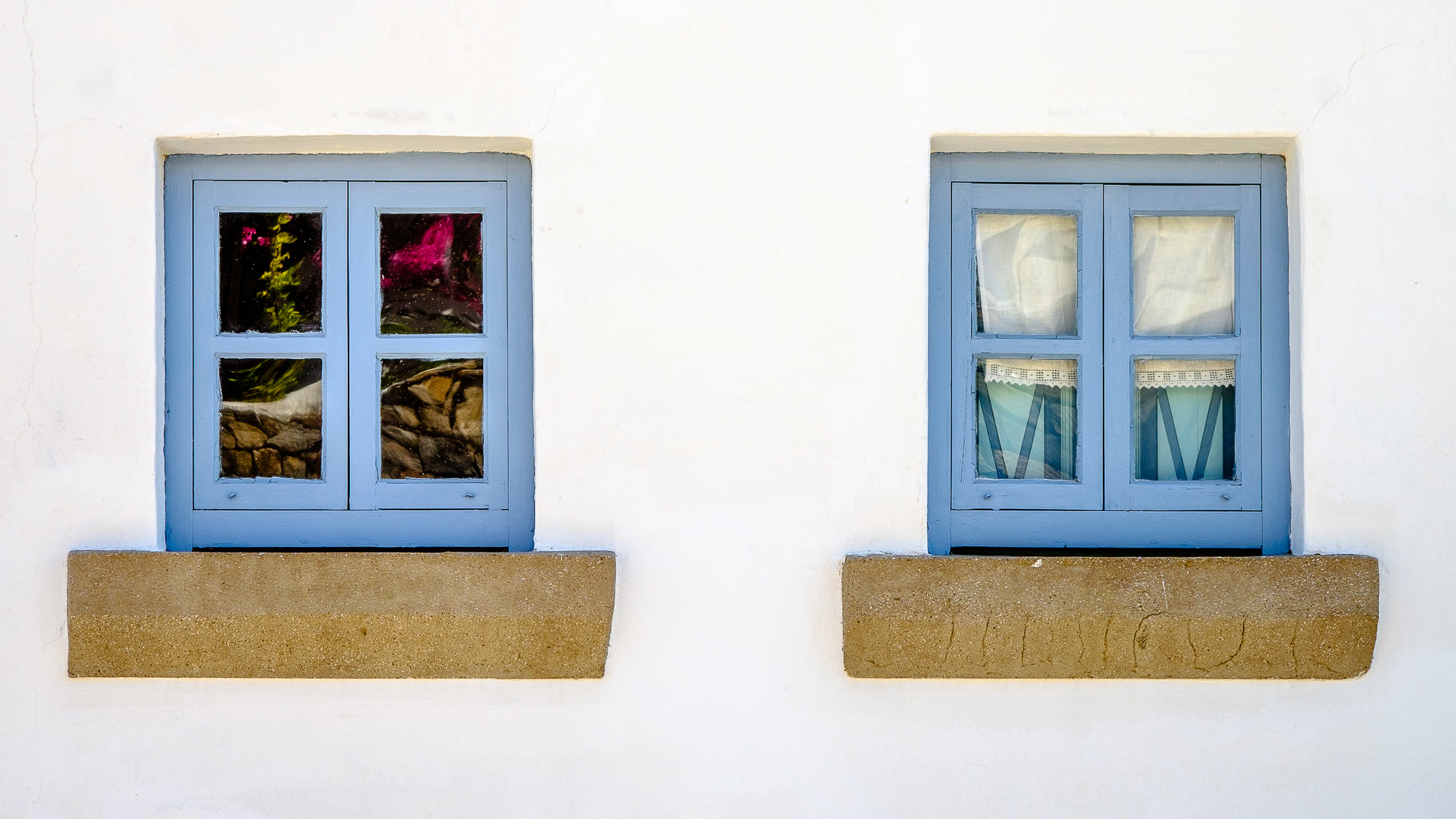
Enhancing curb appeal and interior cohesion through a coordinated color plan
Curb appeal often starts with a well‑executed exterior paint job, while interior cohesion stems from deliberate color transitions that guide movement and mood. In residential painting, you can apply a strategic approach by aligning exterior trim, siding tones, and entry accents with indoor color families residential painting to create a sense of continuity between outside and inside. This method helps you avoid jarring shifts and builds a home that feels thoughtfully designed.
Inside, a cohesive color plan supports furniture layout and lighting choices, making rooms feel more airy or intimate as desired. Regular maintenance, such as periodic touchups and timely repainting of high‑traffic zones, protects investment and preserves the refreshed look you earned through careful decision‑making.
Conclusion
Bringing color to life in a home is a collaborative process that rewards planning, patience, and practical choices. By focusing on preparation, finish quality, and consistent communication with professionals, you can achieve striking results in residential painting and home painting that endure beyond trends.