

견적문의
페이지 정보
작성자 Romaine 댓글댓글 0건 조회조회 14회 작성일작성일 25-12-11 17:54본문
| 회사명 | CO |
|---|---|
| 담당자명 | Romaine |
| 전화번호 | CU |
| 휴대전화 | JB |
| 이메일 | romaine_demaistre@yahoo.com |
| 프로젝트유형 | |
|---|---|
| 제작유형 | |
| 제작예산 | |
| 현재사이트 | |
| 참고사이트1 | |
| 참고사이트2 |
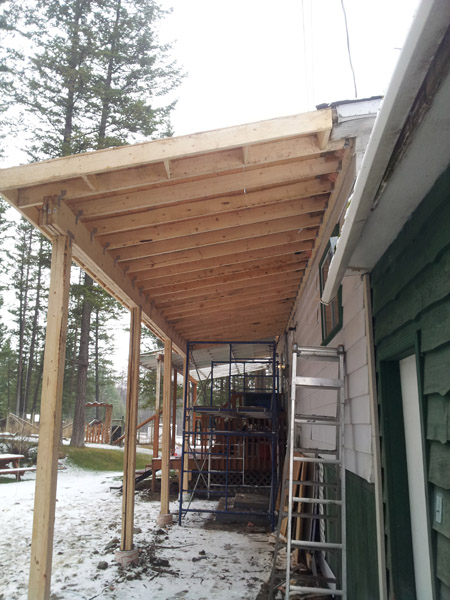
The Symbiotic Relationship: Construction, Maintenance, and the Lifecycle of Built Environments
The built environment, encompassing everything from individual dwellings to sprawling infrastructure networks, is a testament to human ingenuity and a fundamental component of societal progress. Its creation, however, is only the first chapter in a continuous narrative. The subsequent chapters, dedicated to maintenance and adaptation, are equally critical, forming a symbiotic relationship with the initial construction phase. This article explores the intricate interplay between construction and maintenance, highlighting their shared responsibility in ensuring the longevity, functionality, and sustainability of our built world.
Construction, the genesis of any built structure, is a complex undertaking involving design, planning, resource allocation, and execution. It is a process driven by innovation, technological advancements, and a deep understanding of materials and engineering principles. The quality of construction directly impacts the lifespan and performance of the structure. Poorly executed construction, characterized by substandard materials, inadequate workmanship, or flawed design, can lead to premature deterioration, structural failures, and increased maintenance costs. When you have any kind of inquiries relating to where by and also tips on how to employ renovation company philippines, you possibly can email us at our web site. Conversely, meticulous construction, employing durable materials, adhering to rigorous standards, and incorporating future-proofing elements, lays the foundation for a long and productive life.
The design phase is particularly crucial in establishing the framework for future maintenance. Architects and engineers must consider not only the aesthetic and functional requirements of the structure but also its long-term maintainability. This includes selecting materials that are resistant to weathering, corrosion, and wear; designing accessible systems for inspection and repair; and incorporating features that facilitate efficient maintenance operations. For example, the strategic placement of access panels, the use of modular components, and the provision of adequate space for maintenance personnel are all essential considerations during the construction phase.
Once construction is complete, the responsibility shifts to maintenance, the ongoing process of preserving the functionality, safety, and aesthetic appeal of the built environment. Maintenance encompasses a wide range of activities, from routine inspections and preventative measures to reactive repairs and major renovations. It is a continuous cycle of monitoring, assessment, and intervention, aimed at mitigating the effects of aging, wear and tear, and environmental factors.
Effective maintenance is not merely a reactive response to problems; it is a proactive strategy that anticipates and addresses potential issues before they escalate into costly failures. Preventative maintenance, such as regular inspections, cleaning, lubrication, and component replacement, is a cornerstone of this approach. By identifying and addressing minor issues early on, preventative maintenance can significantly extend the lifespan of a structure and reduce the need for expensive repairs.
The benefits of a robust maintenance program are multifaceted. Firstly, it ensures the safety and well-being of occupants and users. Regular inspections and repairs can identify and rectify potential hazards, such as structural weaknesses, electrical faults, and fire risks. Secondly, it preserves the functionality and usability of the built environment. By maintaining essential systems and components, maintenance ensures that the structure continues to serve its intended purpose. Thirdly, it protects the investment made in the construction phase. Proper maintenance prevents premature deterioration and extends the lifespan of the structure, maximizing its return on investment. Finally, it contributes to sustainability by reducing waste, conserving resources, and minimizing the environmental impact of the built environment.
The relationship between construction and maintenance is not a linear one; it is a cyclical process. The lessons learned from maintenance activities should inform future construction projects. Feedback from maintenance personnel can provide valuable insights into the performance of materials, the effectiveness of design features, and the efficiency of maintenance procedures. This feedback loop allows for continuous improvement in both construction and maintenance practices, leading to more durable, sustainable, and cost-effective built environments.
Technological advancements are playing an increasingly important role in both construction and maintenance. In construction, Building Information Modeling (BIM) allows for the creation of detailed 3D models that integrate all aspects of the building, from design and construction to operation and maintenance. BIM facilitates better coordination, reduces errors, and improves the overall efficiency of the construction process. In maintenance, technologies such as remote monitoring, predictive analytics, and drone inspections are transforming the way buildings are managed. These technologies enable proactive maintenance, optimize resource allocation, and improve the accuracy and efficiency of maintenance operations.
The future of the built environment lies in the integration of construction and maintenance practices. This requires a collaborative approach, involving architects, engineers, contractors, maintenance professionals, and building owners. It also requires a shift in mindset, from viewing construction and maintenance as separate entities to recognizing their symbiotic relationship. By embracing this collaborative and integrated approach, we can create built environments that are not only aesthetically pleasing and functionally efficient but also durable, sustainable, and resilient to the challenges of the future. The focus should be on lifecycle costing, considering the total cost of ownership over the lifespan of the structure, including construction, maintenance, and eventual decommissioning. This holistic approach will ensure that our built environments continue to serve us well for generations to come.