견적문의
페이지 정보
작성자 Milo 댓글댓글 0건 조회조회 378회 작성일작성일 25-09-22 20:23본문
| 회사명 | HP |
|---|---|
| 담당자명 | Milo |
| 전화번호 | XN |
| 휴대전화 | RF |
| 이메일 | miloluffman@gmail.com |
| 프로젝트유형 | |
|---|---|
| 제작유형 | |
| 제작예산 | |
| 현재사이트 | |
| 참고사이트1 | |
| 참고사이트2 |
Among the organized chaos of medical professionals in Birmingham, a young man named James Stokes carries himself with the measured poise of someone who has found his place. His smart shoes move with deliberate precision as he greets colleagues—some by name, others with the universal currency of a "good morning."
James wears his NHS lanyard not merely as an employee badge but as a declaration of inclusion. It hangs against a well-maintained uniform that betrays nothing of the tumultuous journey that preceded his arrival.
What distinguishes James from many of his colleagues is not obvious to the casual observer. His presence discloses nothing of the fact that he was among the first beneficiaries of the NHS Universal Family Programme—an undertaking crafted intentionally for young people who have experienced life in local authority care.
"It felt like the NHS was putting its arm around me," James reflects, his voice steady but tinged with emotion. His observation summarizes the heart of a programme that aims to revolutionize how the massive healthcare system approaches care leavers—those often overlooked young people aged 16-25 who have transitioned from the care system.
The statistics tell a troubling story. Care leavers often face greater psychological challenges, economic uncertainty, accommodation difficulties, and reduced scholarly attainment compared to their contemporaries. Beneath these clinical numbers are human stories of young people who have maneuvered through a system that, despite best intentions, regularly misses the mark in offering the nurturing environment that molds most young lives.
The NHS Universal Family Programme, initiated in January 2023 following NHS England's commitment to the Care Leaver Covenant, signifies a profound shift in organizational perspective. At its core, it acknowledges that the whole state and civil society should function as a "communal support system" for those who haven't known the security of a typical domestic environment.
Ten pioneering healthcare collectives across England have led the way, creating systems that reimagine how the NHS—one of Europe's largest employers—can open its doors to care leavers.
The Programme is thorough in its methodology, initiating with comprehensive audits of existing procedures, creating oversight mechanisms, and obtaining senior buy-in. It recognizes that successful integration requires more than noble aims—it demands practical measures.
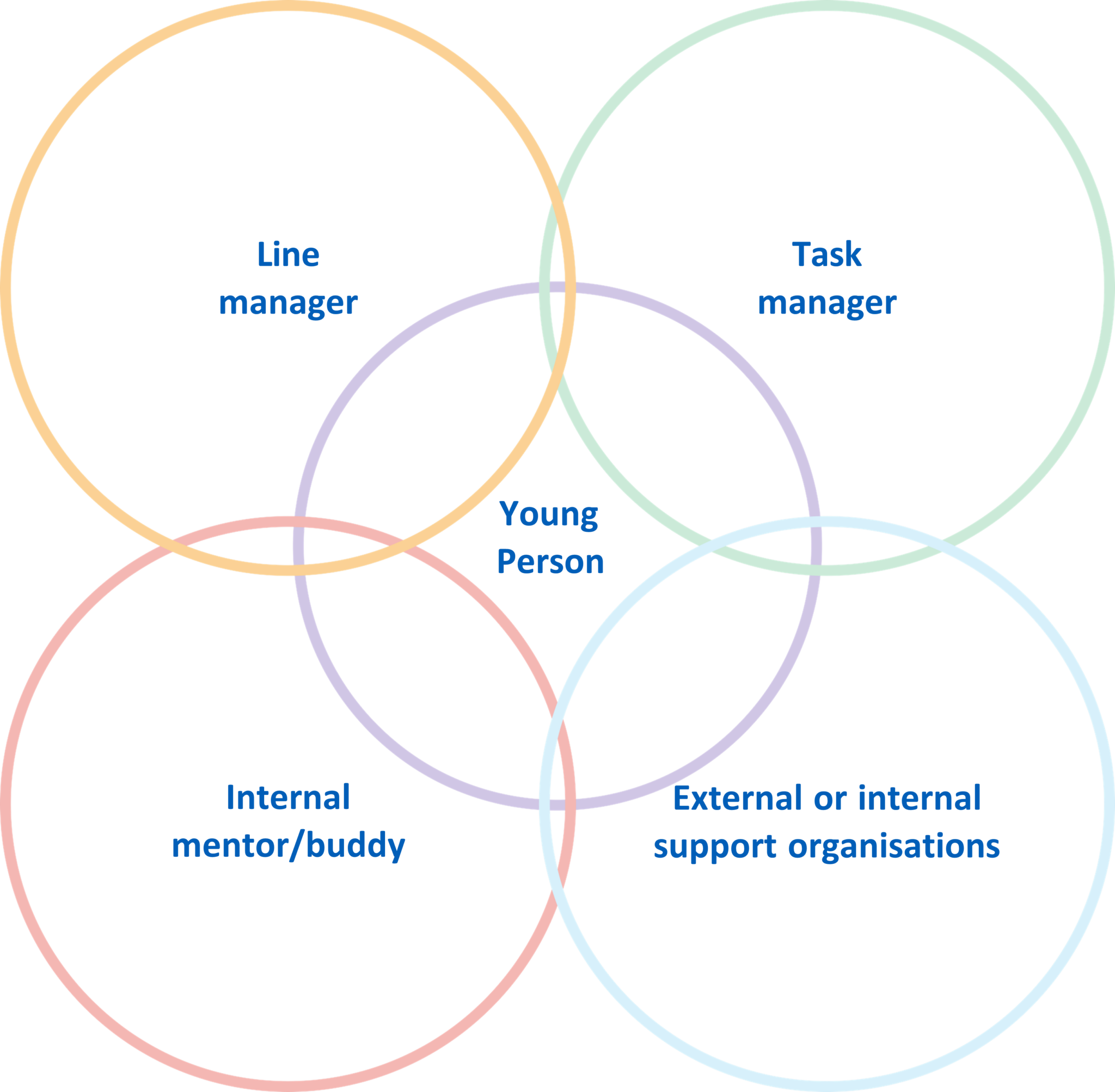
In NHS Birmingham and Solihull ICB, where James started his career, they've created a reliable information exchange with representatives who can deliver assistance and counsel on personal welfare, HR matters, recruitment, and inclusivity efforts.
The traditional NHS recruitment process—formal and possibly overwhelming—has been thoughtfully adapted. Job advertisements now highlight attitudinal traits rather than long lists of credentials. Application procedures have been redesigned to consider the specific obstacles care leavers might face—from missing employment history to facing barriers to internet access.
Possibly most crucially, the Programme understands that starting a job can create specific difficulties for care leavers who may be managing independent living without the support of parental assistance. Issues like travel expenses, proper ID, and financial services—taken for granted by many—can become substantial hurdles.
The elegance of the Programme lies in its thorough planning—from explaining payslip deductions to providing transportation assistance until that crucial first wage disbursement. Even seemingly minor aspects like rest periods and office etiquette are deliberately addressed.
For James, whose professional path has "changed" his life, the Programme provided more than employment. It gave him a feeling of connection—that intangible quality that develops when someone senses worth not despite their past but because their particular journey enriches the workplace.
"Working for the NHS isn't just about doctors and nurses," James notes, his gaze showing the subtle satisfaction of someone who has discovered belonging. "It's about a community of different jobs and roles, a family of people who really connect."
The NHS Universal Family Programme embodies more than an job scheme. It stands as a strong assertion that organizations can change to embrace those who have experienced life differently. In doing so, they not only change personal trajectories but enhance their operations through the special insights that care leavers bring to the table.
As James walks the corridors, his involvement silently testifies that with the right support, care leavers can thrive in environments once deemed unattainable. The embrace that the NHS has offered through this Programme symbolizes not charity but acknowledgment of hidden abilities and the fundamental reality that all people merit a family that believes in them.