

견적문의
페이지 정보
작성자 Dennis 댓글댓글 0건 조회조회 406회 작성일작성일 25-09-23 04:06본문
| 회사명 | WV |
|---|---|
| 담당자명 | Dennis |
| 전화번호 | FN |
| 휴대전화 | WP |
| 이메일 | dennissilvers@charter.net |
| 프로젝트유형 | |
|---|---|
| 제작유형 | |
| 제작예산 | |
| 현재사이트 | |
| 참고사이트1 | |
| 참고사이트2 |
Among the organized chaos of medical professionals in Birmingham, a young man named James Stokes navigates his daily responsibilities with subtle confidence. His polished footwear move with deliberate precision as he exchanges pleasantries with colleagues—some by name, others with the familiar currency of a "how are you."
James carries his identification not merely as institutional identification but as a testament of inclusion. It sits against a pressed shirt that gives no indication of the difficult path that preceded his arrival.
What separates James from many of his colleagues is not visible on the surface. His bearing reveals nothing of the fact that he was among the first participants of the NHS Universal Family Programme—an initiative crafted intentionally for young people who have experienced life in local authority care.
"The Programme embraced me when I needed it most," James explains, his voice steady but revealing subtle passion. His statement encapsulates the core of a programme that aims to revolutionize how the massive healthcare system views care leavers—those frequently marginalized young people aged 16-25 who have graduated out of the care system.
The numbers paint a stark picture. Care leavers frequently encounter greater psychological challenges, financial instability, housing precarity, and diminished educational achievements compared to their peers. Beneath these clinical numbers are human stories of young people who have navigated a system that, despite best intentions, regularly misses the mark in offering the nurturing environment that molds most young lives.
The NHS Universal Family Programme, launched in January 2023 following NHS England's pledge to the Care Leaver Covenant, represents a significant change in institutional thinking. Fundamentally, it accepts that the entire state and civil society should function as a "communal support system" for those who have missed out on the constancy of a traditional family setting.

A select group of healthcare regions across England have led the way, establishing frameworks that reimagine how the NHS—one of Europe's largest employers—can create pathways to care leavers.
The Programme is thorough in its methodology, beginning with comprehensive audits of existing practices, creating oversight mechanisms, and garnering executive backing. It recognizes that effective inclusion requires more than noble aims—it demands concrete steps.
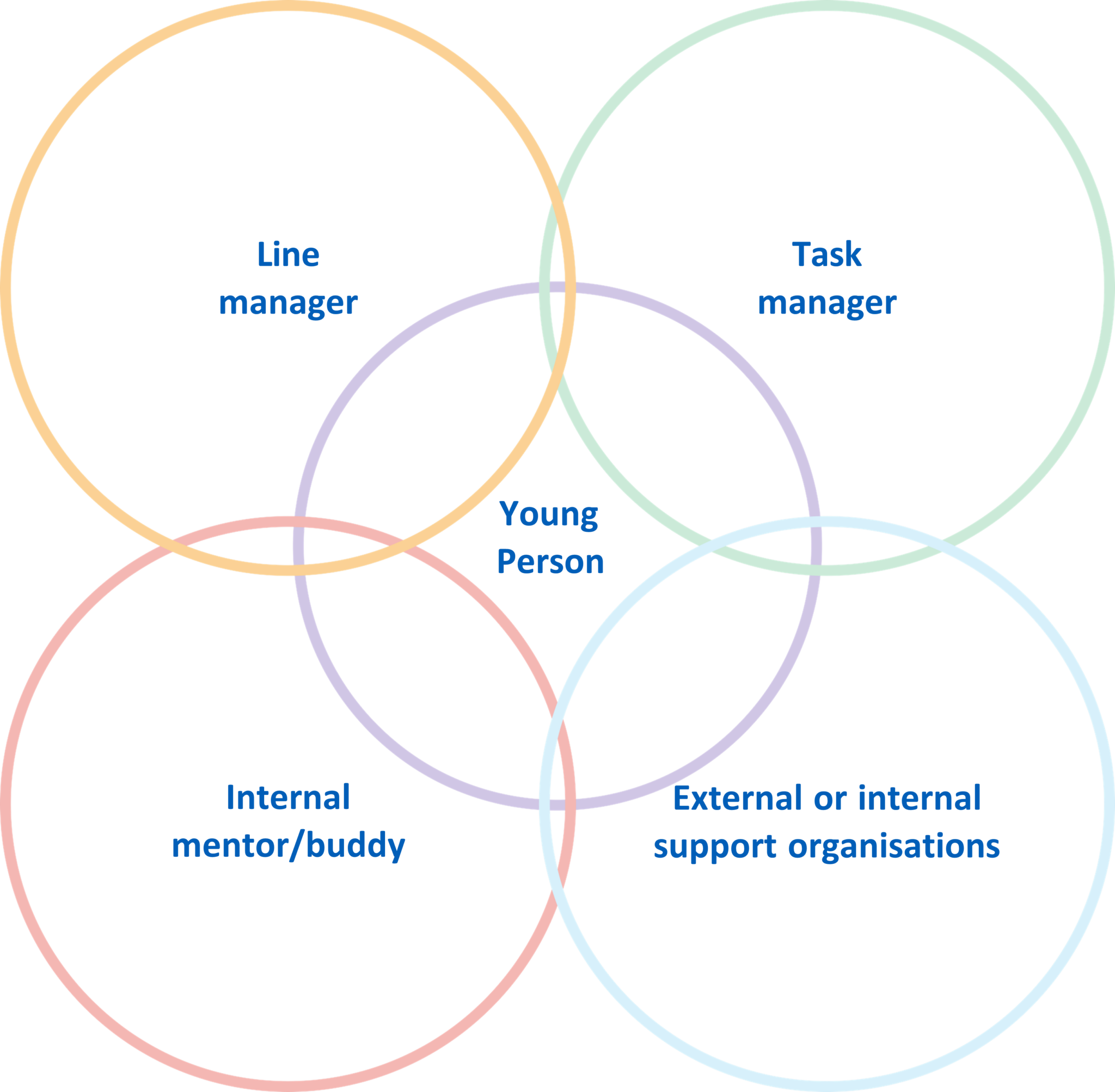
In NHS Birmingham and Solihull ICB, where James began his journey, they've established a regular internal communication network with representatives who can deliver support, advice, and guidance on mental health, HR matters, recruitment, and inclusivity efforts.
The conventional NHS recruitment process—rigid and often daunting—has been carefully modified. Job advertisements now emphasize personal qualities rather than long lists of credentials. Application processes have been reimagined to consider the particular difficulties care leavers might encounter—from lacking professional references to having limited internet access.
Maybe most importantly, the Programme acknowledges that beginning employment can present unique challenges for care leavers who may be navigating autonomy without the support of family resources. Issues like transportation costs, identification documents, and bank accounts—considered standard by many—can become significant barriers.
The brilliance of the Programme lies in its meticulous consideration—from outlining compensation information to offering travel loans until that critical first salary payment. Even seemingly minor aspects like break times and office etiquette are carefully explained.
For James, whose professional path has "revolutionized" his life, the Programme offered more than employment. It gave him a perception of inclusion—that elusive quality that grows when someone senses worth not despite their background but because their distinct perspective enriches the organization.
"Working for the NHS isn't just about doctors and nurses," James notes, his gaze showing the quiet pride of someone who has found his place. "It's about a family of different jobs and roles, a group of people who genuinely care."
The NHS Universal Family Programme represents more than an work program. It functions as a strong assertion that systems can evolve to welcome those who have known different challenges. In doing so, they not only alter individual futures but enhance their operations through the distinct viewpoints that care leavers provide.
As James navigates his workplace, his participation quietly demonstrates that with the right support, care leavers can flourish in environments once deemed unattainable. The arm that the NHS has extended through this Programme represents not charity but recognition of hidden abilities and the fundamental reality that everyone deserves a support system that believes in them.