

견적문의
페이지 정보
작성자 Bette 댓글댓글 0건 조회조회 370회 작성일작성일 25-09-22 17:53본문
| 회사명 | KM |
|---|---|
| 담당자명 | Bette |
| 전화번호 | FC |
| 휴대전화 | VT |
| 이메일 | bette_ricketson@free.fr |
| 프로젝트유형 | |
|---|---|
| 제작유형 | |
| 제작예산 | |
| 현재사이트 | |
| 참고사이트1 | |
| 참고사이트2 |
Among the organized chaos of medical professionals in Birmingham, a young man named James Stokes navigates his daily responsibilities with subtle confidence. His smart shoes move with deliberate precision as he acknowledges colleagues—some by name, others with the comfortable currency of a "hello there."
James displays his credentials not merely as a security requirement but as a testament of acceptance. It rests against a well-maintained uniform that gives no indication of the challenging road that preceded his arrival.
What distinguishes James from many of his colleagues is not visible on the surface. His bearing discloses nothing of the fact that he was among the first participants of the NHS Universal Family Programme—an undertaking crafted intentionally for young people who have spent time in care.
"It felt like the NHS was putting its arm around me," James says, his voice controlled but carrying undertones of feeling. His observation encapsulates the essence of a programme that seeks to transform how the massive healthcare system perceives care leavers—those frequently marginalized young people aged 16-25 who have graduated out of the care system.
The statistics paint a stark picture. Care leavers commonly experience higher rates of mental health issues, financial instability, housing precarity, and lower academic success compared to their age-mates. Underlying these cold statistics are personal narratives of young people who have navigated a system that, despite best intentions, regularly misses the mark in offering the supportive foundation that molds most young lives.
The NHS Universal Family Programme, launched in January 2023 following NHS England's commitment to the Care Leaver Covenant, signifies a profound shift in institutional thinking. Fundamentally, it recognizes that the complete state and civil society should function as a "universal family" for those who have missed out on the stability of a typical domestic environment.
Ten pioneering healthcare collectives across England have led the way, establishing frameworks that rethink how the NHS—one of Europe's largest employers—can extend opportunities to care leavers.
The Programme is meticulous in its methodology, initiating with thorough assessments of existing procedures, creating governance structures, and garnering senior buy-in. It recognizes that successful integration requires more than noble aims—it demands concrete steps.
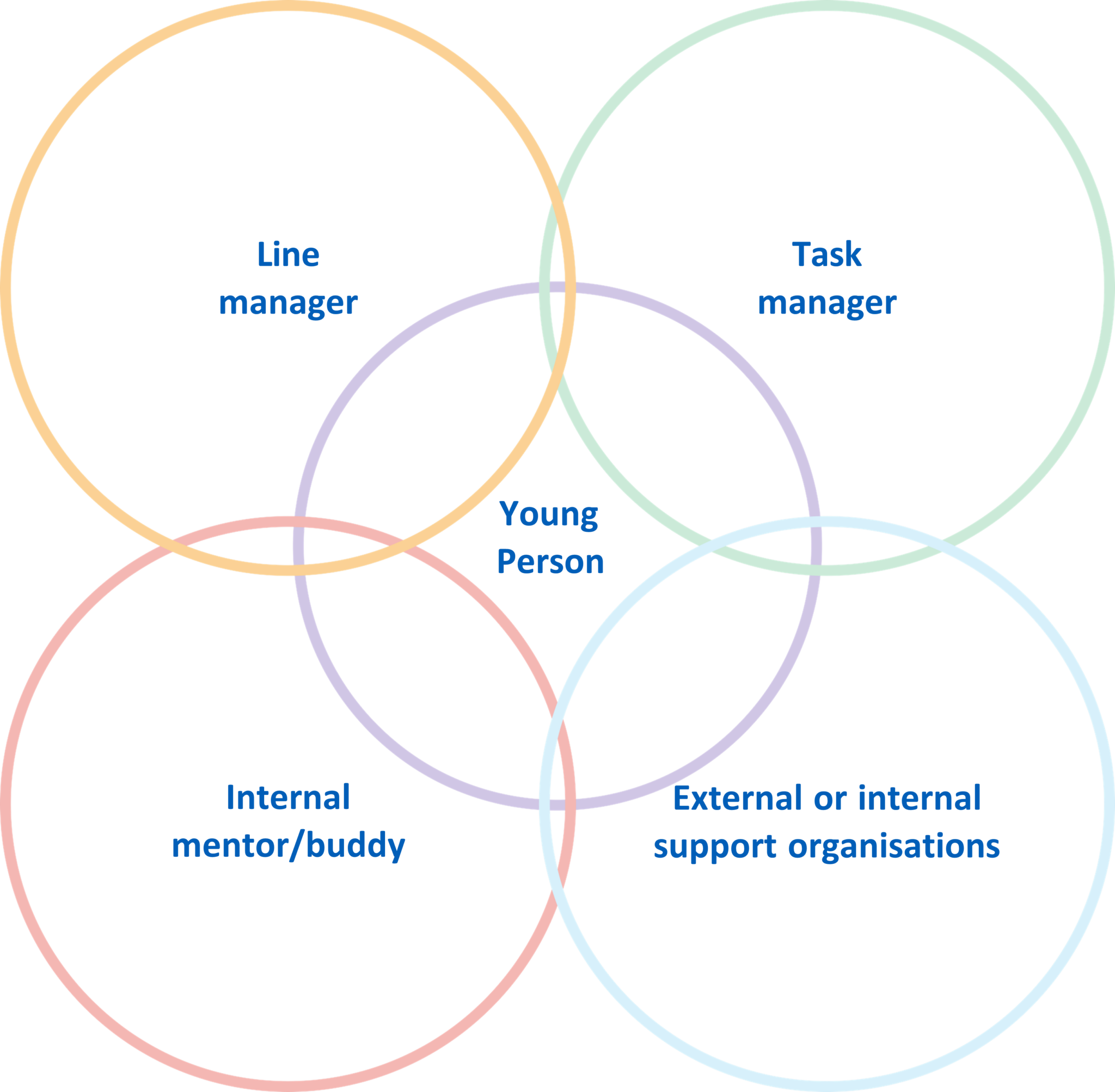
In NHS Birmingham and Solihull ICB, where James found his footing, they've developed a reliable information exchange with representatives who can offer support, advice, and guidance on mental health, HR matters, recruitment, and equality, diversity, and inclusion.
The standard NHS recruitment process—rigid and possibly overwhelming—has been intentionally adjusted. Job advertisements now focus on personal qualities rather than numerous requirements. Application processes have been reimagined to accommodate the specific obstacles care leavers might experience—from missing employment history to facing barriers to internet access.
Perhaps most significantly, the Programme acknowledges that entering the workforce can present unique challenges for care leavers who may be navigating autonomy without the support of family resources. Matters like commuting fees, personal documentation, and financial services—assumed basic by many—can become major obstacles.
The brilliance of the Programme lies in its meticulous consideration—from explaining payslip deductions to helping with commuting costs until that essential first salary payment. Even apparently small matters like break times and professional behavior are deliberately addressed.
For James, whose career trajectory has "revolutionized" his life, the Programme delivered more than employment. It provided him a sense of belonging—that ineffable quality that develops when someone is appreciated not despite their history but because their unique life experiences enriches the institution.
"Working for the NHS isn't just about doctors and nurses," James notes, his expression revealing the subtle satisfaction of someone who has found his place. "It's about a collective of different jobs and roles, a team of people who really connect."

The NHS Universal Family Programme exemplifies more than an employment initiative. It functions as a bold declaration that organizations can change to welcome those who have navigated different paths. In doing so, they not only alter individual futures but enhance their operations through the unique perspectives that care leavers contribute.
As James navigates his workplace, his participation subtly proves that with the right support, care leavers can succeed in environments once deemed unattainable. The arm that the NHS has offered through this Programme symbolizes not charity but acknowledgment of untapped potential and the fundamental reality that everyone deserves a family that supports their growth.