

견적문의
페이지 정보
작성자 Carmon 댓글댓글 0건 조회조회 385회 작성일작성일 25-09-22 19:03본문
| 회사명 | GN |
|---|---|
| 담당자명 | Carmon |
| 전화번호 | OU |
| 휴대전화 | GD |
| 이메일 | carmon.wenger@yahoo.com |
| 프로젝트유형 | |
|---|---|
| 제작유형 | |
| 제작예산 | |
| 현재사이트 | |
| 참고사이트1 | |
| 참고사이트2 |
Among the organized chaos of medical professionals in Birmingham, a young man named James Stokes carries himself with the measured poise of someone who has found his place. His oxford shoes whisper against the floor as he exchanges pleasantries with colleagues—some by name, others with the comfortable currency of a "hello there."
James wears his NHS lanyard not merely as a security requirement but as a symbol of belonging. It rests against a well-maintained uniform that gives no indication of the difficult path that brought him here.

What distinguishes James from many of his colleagues is not immediately apparent. His bearing gives away nothing of the fact that he was among the first participants of the NHS Universal Family Programme—an effort created purposefully for young people who have spent time in care.
"I found genuine support within the NHS structure," James reflects, his voice controlled but tinged with emotion. His observation encapsulates the heart of a programme that seeks to transform how the enormous healthcare system approaches care leavers—those frequently marginalized young people aged 16-25 who have emerged from the care system.
The figures tell a troubling story. Care leavers commonly experience higher rates of mental health issues, money troubles, accommodation difficulties, and lower academic success compared to their peers. Underlying these clinical numbers are individual journeys of young people who have traversed a system that, despite good efforts, frequently fails in providing the supportive foundation that forms most young lives.
The NHS Universal Family Programme, initiated in January 2023 following NHS England's promise to the Care Leaver Covenant, embodies a significant change in systemic approach. At its core, it acknowledges that the whole state and civil society should function as a "collective parent" for those who haven't known the constancy of a typical domestic environment.
Ten pioneering healthcare collectives across England have charted the course, establishing frameworks that reimagine how the NHS—one of Europe's largest employers—can open its doors to care leavers.
The Programme is meticulous in its strategy, initiating with thorough assessments of existing procedures, establishing governance structures, and obtaining senior buy-in. It acknowledges that effective inclusion requires more than good intentions—it demands practical measures.
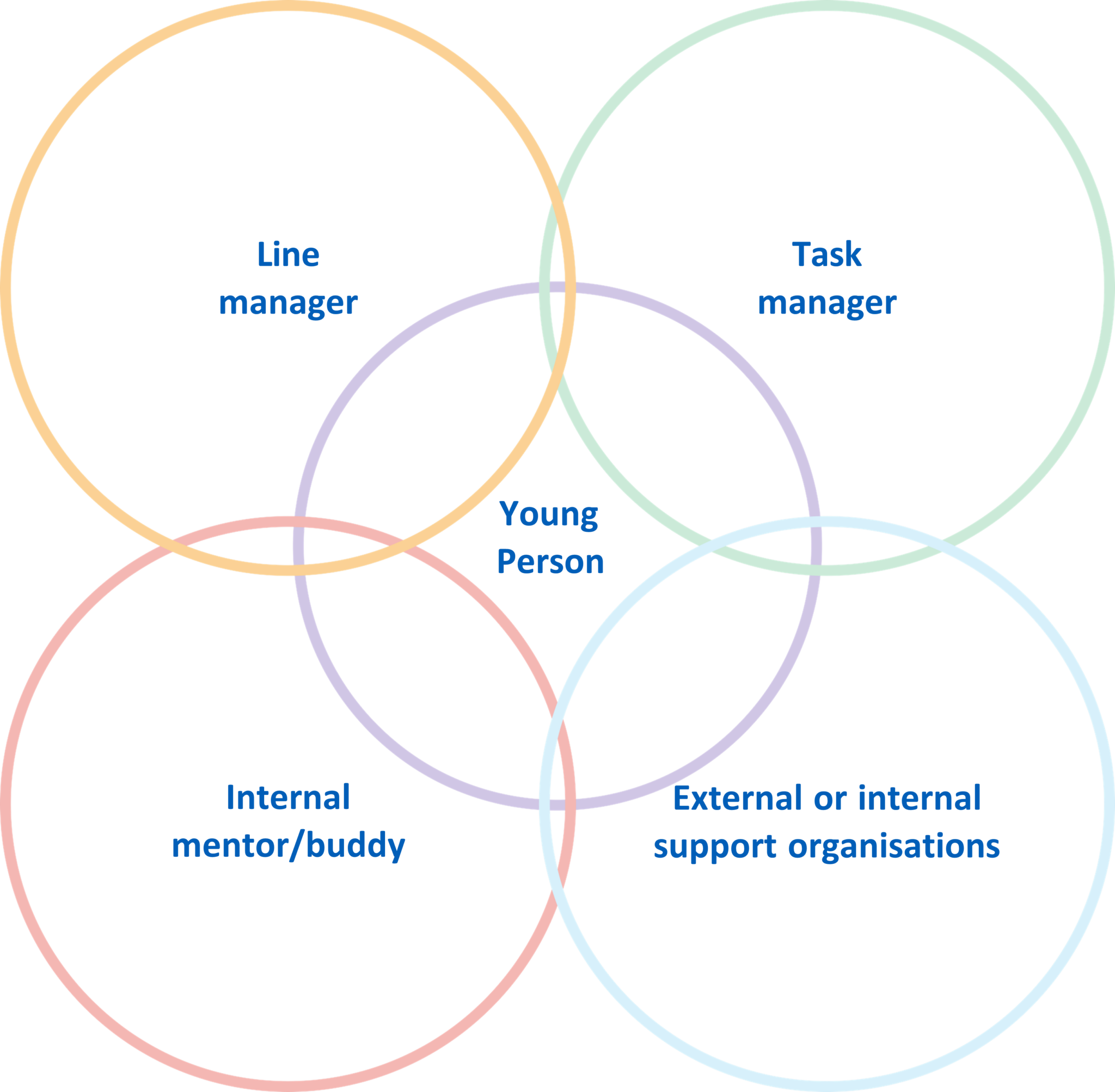
In NHS Birmingham and Solihull ICB, where James began his journey, they've created a consistent support system with representatives who can deliver support, advice, and guidance on mental health, HR matters, recruitment, and inclusivity efforts.
The conventional NHS recruitment process—rigid and possibly overwhelming—has been intentionally adjusted. Job advertisements now emphasize attitudinal traits rather than long lists of credentials. Applications have been reimagined to address the specific obstacles care leavers might face—from not having work-related contacts to having limited internet access.
Perhaps most significantly, the Programme understands that starting a job can create specific difficulties for care leavers who may be navigating autonomy without the backup of family resources. Concerns like transportation costs, personal documentation, and banking arrangements—considered standard by many—can become significant barriers.
The elegance of the Programme lies in its attention to detail—from clarifying salary details to helping with commuting costs until that essential first wage disbursement. Even apparently small matters like coffee breaks and workplace conduct are carefully explained.
For James, whose career trajectory has "changed" his life, the Programme offered more than a job. It provided him a perception of inclusion—that ineffable quality that emerges when someone is appreciated not despite their past but because their unique life experiences enhances the institution.
"Working for the NHS isn't just about doctors and nurses," James observes, his eyes reflecting the subtle satisfaction of someone who has discovered belonging. "It's about a community of different jobs and roles, a group of people who truly matter."
The NHS Universal Family Programme represents more than an employment initiative. It functions as a strong assertion that organizations can adapt to embrace those who have navigated different paths. In doing so, they not only alter individual futures but improve their services through the special insights that care leavers contribute.
As James walks the corridors, his involvement quietly demonstrates that with the right support, care leavers can succeed in environments once thought inaccessible. The support that the NHS has provided through this Programme signifies not charity but appreciation of hidden abilities and the profound truth that all people merit a community that supports their growth.