

견적문의
페이지 정보
작성자 Garry Olivarez 댓글댓글 0건 조회조회 386회 작성일작성일 25-09-20 09:31본문
| 회사명 | HL |
|---|---|
| 담당자명 | Garry Olivarez |
| 전화번호 | XO |
| 휴대전화 | PX |
| 이메일 | garryolivarez@live.co.uk |
| 프로젝트유형 | |
|---|---|
| 제작유형 | |
| 제작예산 | |
| 현재사이트 | |
| 참고사이트1 | |
| 참고사이트2 |
Within the bustling halls of an NHS hospital in Birmingham, a young man named James Stokes moves with quiet purpose. His oxford shoes whisper against the floor as he acknowledges colleagues—some by name, others with the universal currency of a "good morning."
James wears his NHS lanyard not merely as a security requirement but as a symbol of belonging. It sits against a pressed shirt that offers no clue of the tumultuous journey that preceded his arrival.
What sets apart James from many of his colleagues is not obvious to the casual observer. His demeanor reveals nothing of the fact that he was among the first beneficiaries of the NHS Universal Family Programme—an initiative created purposefully for young people who have experienced life in local authority care.
"I found genuine support within the NHS structure," James explains, his voice measured but carrying undertones of feeling. His statement encapsulates the essence of a programme that seeks to reinvent how the enormous healthcare system views care leavers—those frequently marginalized young people aged 16-25 who have transitioned from the care system.
The figures tell a troubling story. Care leavers often face poorer mental health outcomes, money troubles, housing precarity, and diminished educational achievements compared to their age-mates. Beneath these impersonal figures are personal narratives of young people who have traversed a system that, despite good efforts, often falls short in offering the stable base that molds most young lives.
The NHS Universal Family Programme, established in January 2023 following NHS England's commitment to the Care Leaver Covenant, signifies a substantial transformation in organizational perspective. At its core, it acknowledges that the whole state and civil society should function as a "collective parent" for those who have missed out on the stability of a traditional family setting.
Ten pathfinder integrated care boards across England have led the way, establishing frameworks that reconceptualize how the NHS—one of Europe's largest employers—can create pathways to care leavers.
The Programme is thorough in its methodology, initiating with thorough assessments of existing practices, establishing management frameworks, and obtaining senior buy-in. It acknowledges that effective inclusion requires more than good intentions—it demands concrete steps.
In NHS Birmingham and Solihull ICB, where James began his journey, they've developed a reliable information exchange with representatives who can provide support, advice, and guidance on wellbeing, HR matters, recruitment, and EDI initiatives.

The conventional NHS recruitment process—rigid and possibly overwhelming—has been intentionally adjusted. Job advertisements now focus on attitudinal traits rather than numerous requirements. Application processes have been reimagined to consider the specific obstacles care leavers might face—from lacking professional references to having limited internet access.
Perhaps most significantly, the Programme understands that beginning employment can create specific difficulties for care leavers who may be handling self-sufficiency without the support of parental assistance. Concerns like commuting fees, identification documents, and banking arrangements—considered standard by many—can become substantial hurdles.
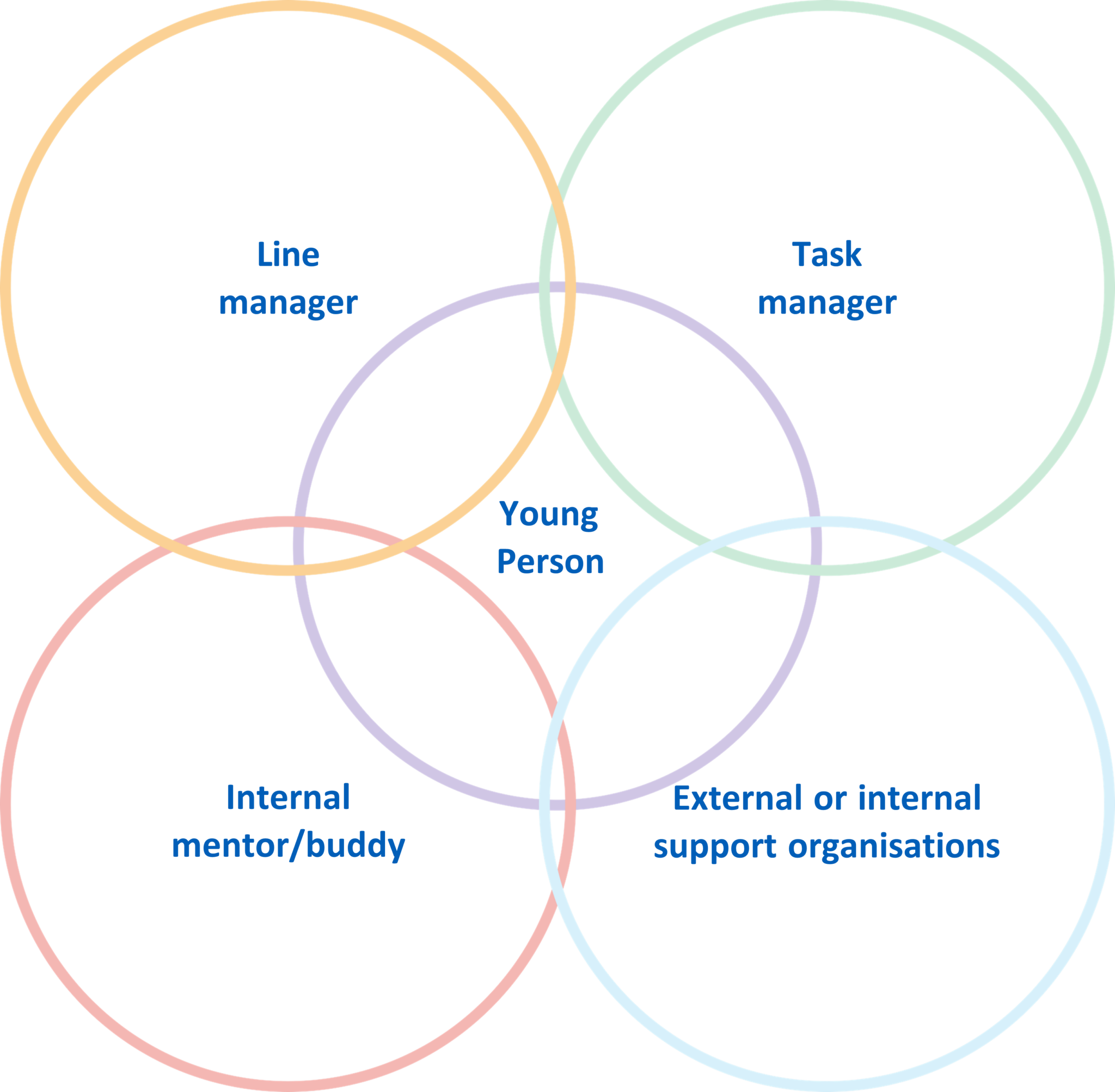
The beauty of the Programme lies in its meticulous consideration—from explaining payslip deductions to offering travel loans until that crucial first payday. Even seemingly minor aspects like coffee breaks and professional behavior are carefully explained.
For James, whose NHS journey has "revolutionized" his life, the Programme provided more than a job. It provided him a perception of inclusion—that ineffable quality that develops when someone is appreciated not despite their history but because their particular journey enriches the workplace.
"Working for the NHS isn't just about doctors and nurses," James comments, his gaze showing the quiet pride of someone who has secured his position. "It's about a family of different jobs and roles, a group of people who really connect."
The NHS Universal Family Programme represents more than an employment initiative. It stands as a powerful statement that organizations can adapt to embrace those who have experienced life differently. In doing so, they not only alter individual futures but enhance their operations through the special insights that care leavers contribute.
As James navigates his workplace, his presence quietly demonstrates that with the right assistance, care leavers can flourish in environments once considered beyond reach. The embrace that the NHS has extended through this Programme signifies not charity but recognition of untapped potential and the essential fact that each individual warrants a support system that champions their success.