견적문의
페이지 정보
작성자 Delores 댓글댓글 0건 조회조회 398회 작성일작성일 25-09-20 09:42본문
| 회사명 | CF |
|---|---|
| 담당자명 | Delores |
| 전화번호 | NE |
| 휴대전화 | YK |
| 이메일 | deloreszylstra@live.nl |
| 프로젝트유형 | |
|---|---|
| 제작유형 | |
| 제작예산 | |
| 현재사이트 | |
| 참고사이트1 | |
| 참고사이트2 |
Among the organized chaos of medical professionals in Birmingham, a young man named James Stokes carries himself with the measured poise of someone who has found his place. His smart shoes barely make a sound as he greets colleagues—some by name, others with the comfortable currency of a "hello there."
James displays his credentials not merely as a security requirement but as a symbol of acceptance. It sits against a well-maintained uniform that gives no indication of the challenging road that led him to this place.
What distinguishes James from many of his colleagues is not obvious to the casual observer. His demeanor reveals nothing of the fact that he was among the first beneficiaries of the NHS Universal Family Programme—an effort created purposefully for young people who have been through the care system.
"It felt like the NHS was putting its arm around me," James reflects, his voice steady but tinged with emotion. His remark summarizes the essence of a programme that strives to reinvent how the massive healthcare system views care leavers—those vulnerable young people aged 16-25 who have emerged from the care system.
The numbers tell a troubling story. Care leavers frequently encounter greater psychological challenges, money troubles, housing precarity, and lower academic success compared to their peers. Beneath these clinical numbers are individual journeys of young people who have maneuvered through a system that, despite genuine attempts, regularly misses the mark in providing the nurturing environment that molds most young lives.
The NHS Universal Family Programme, launched in January 2023 following NHS England's promise to the Care Leaver Covenant, embodies a profound shift in organizational perspective. At its core, it recognizes that the complete state and civil society should function as a "universal family" for those who haven't known the constancy of a typical domestic environment.
A select group of healthcare regions across England have blazed the trail, establishing systems that rethink how the NHS—one of Europe's largest employers—can create pathways to care leavers.
The Programme is thorough in its methodology, starting from comprehensive audits of existing policies, forming oversight mechanisms, and obtaining leadership support. It acknowledges that effective inclusion requires more than lofty goals—it demands concrete steps.
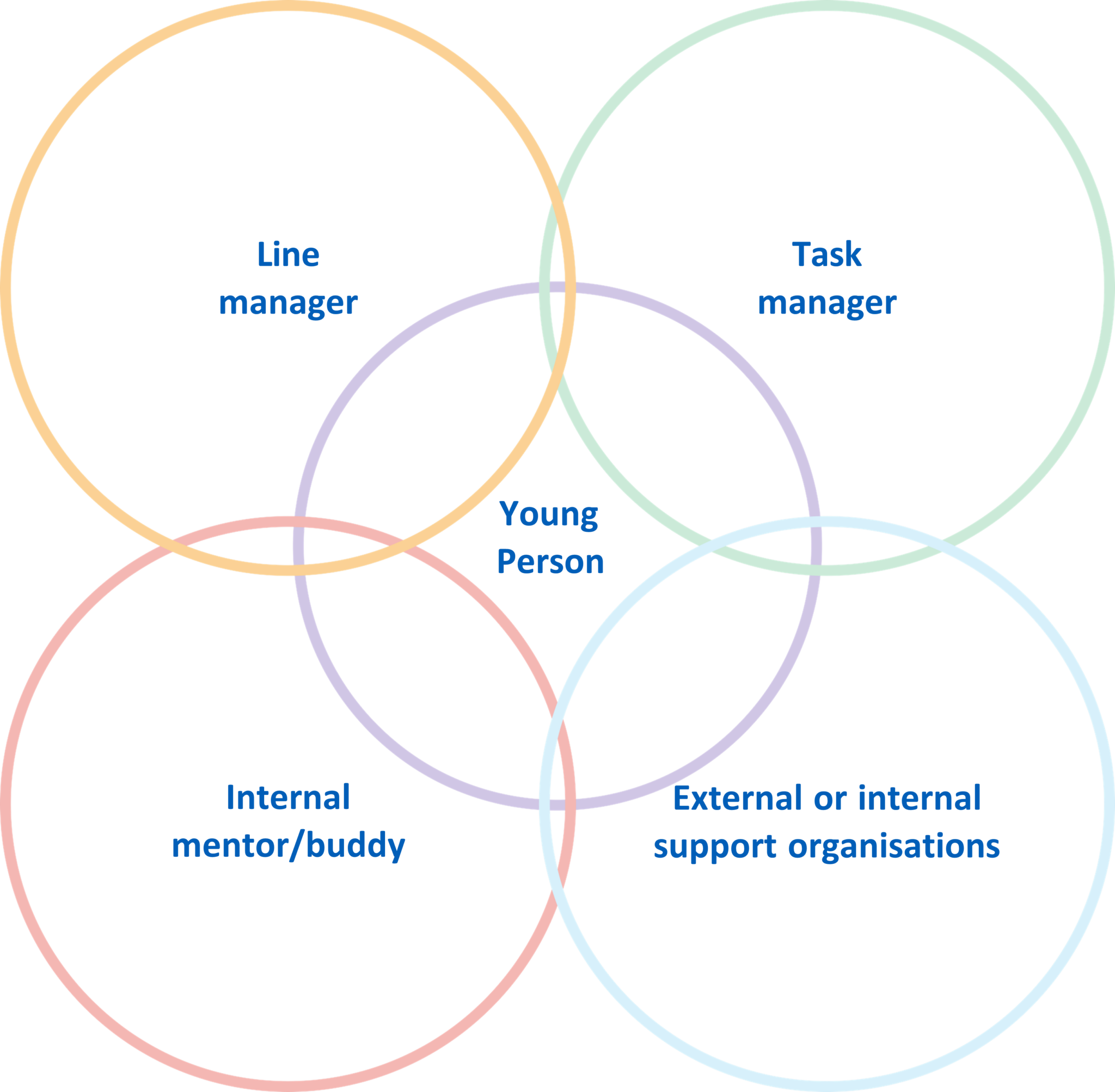
In NHS Birmingham and Solihull ICB, where James started his career, they've established a regular internal communication network with representatives who can offer assistance and counsel on personal welfare, HR matters, recruitment, and equality, diversity, and inclusion.
The traditional NHS recruitment process—structured and often daunting—has been carefully modified. Job advertisements now highlight character attributes rather than long lists of credentials. Applications have been reconsidered to consider the particular difficulties care leavers might experience—from missing employment history to having limited internet access.
Perhaps most significantly, the Programme recognizes that entering the workforce can pose particular problems for care leavers who may be managing independent living without the backup of family resources. Matters like commuting fees, proper ID, and banking arrangements—considered standard by many—can become major obstacles.
The beauty of the Programme lies in its attention to detail—from explaining payslip deductions to helping with commuting costs until that critical first wage disbursement. Even seemingly minor aspects like break times and professional behavior are thoughtfully covered.
For James, whose career trajectory has "transformed" his life, the Programme provided more than work. It provided him a feeling of connection—that intangible quality that emerges when someone senses worth not despite their background but because their distinct perspective improves the workplace.
"Working for the NHS isn't just about doctors and nurses," James notes, his eyes reflecting the modest fulfillment of someone who has discovered belonging. "It's about a community of different jobs and roles, a team of people who truly matter."
The NHS Universal Family Programme exemplifies more than an job scheme. It functions as a powerful statement that systems can adapt to embrace those who have experienced life differently. In doing so, they not only transform individual lives but improve their services through the special insights that care leavers provide.
As James navigates his workplace, his participation subtly proves that with the right support, care leavers can flourish in environments once deemed unattainable. The arm that the NHS has extended through this Programme symbolizes not charity but recognition of overlooked talent and the essential fact that all people merit a family that champions their success.