

견적문의
페이지 정보
작성자 Cierra Ballenti… 댓글댓글 0건 조회조회 438회 작성일작성일 25-09-20 10:20본문
| 회사명 | WF |
|---|---|
| 담당자명 | Cierra Ballentine |
| 전화번호 | RK |
| 휴대전화 | GE |
| 이메일 | cierraballentine@yahoo.fr |
| 프로젝트유형 | |
|---|---|
| 제작유형 | |
| 제작예산 | |
| 현재사이트 | |
| 참고사이트1 | |
| 참고사이트2 |
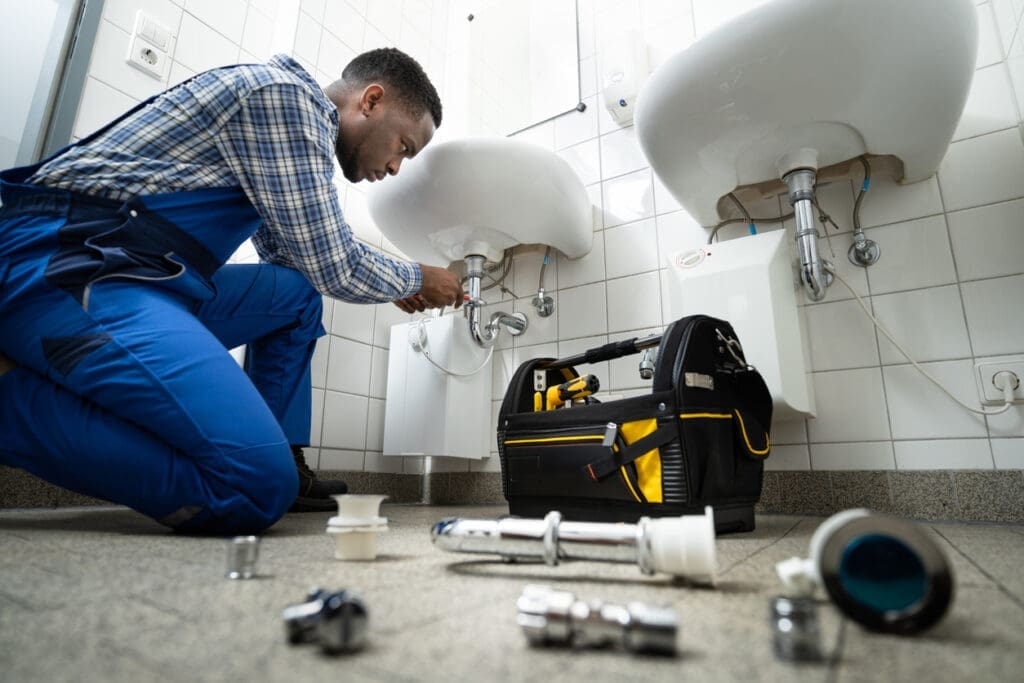
Plumbing, often unseen and unappreciated, is a critical infrastructure that underpins modern civilization. From delivering clean water to safely removing waste, plumbing systems are essential for public health, sanitation, and comfort. For more information about plumber book look into our own webpage. This article explores the fascinating world of plumbing, covering its history, principles, components, and modern applications.
A Brief History of Plumbing:
The concept of plumbing dates back to ancient civilizations. The earliest evidence of plumbing systems can be found in the Indus Valley Civilization (around 3300-1700 BCE) in present-day Pakistan and India. These sophisticated systems included wells, bathrooms, and drainage systems. The Minoans of Crete (around 2700-1450 BCE) also developed advanced plumbing, including terracotta pipes for water supply and drainage.
The Romans were renowned for their engineering prowess and their elaborate plumbing systems. They built aqueducts to transport water over long distances, public baths (thermae), and sophisticated sewer systems. Lead pipes were commonly used, which, while effective, had long-term health consequences. The term "plumbing" itself derives from the Latin word "plumbum," meaning lead.
After the fall of the Roman Empire, plumbing technology stagnated in Europe for centuries. However, advancements continued in other parts of the world, particularly in the Middle East and Asia. The modern plumbing era began in the 19th century with the Industrial Revolution. Mass production of pipes, valves, and fixtures made plumbing more accessible and affordable. The development of indoor plumbing and sanitation systems significantly improved public health and reduced the spread of diseases.
Fundamental Principles of Plumbing:
Plumbing systems operate on several fundamental principles:
Gravity: Gravity is a key force in drainage systems. Wastewater flows downhill through pipes to a sewer or septic tank. Proper slope and venting are crucial to ensure efficient drainage.
Pressure: Water supply systems rely on pressure to deliver water to fixtures. Water pressure is typically maintained by municipal water systems or private wells with pumps.
Ventilation: Venting is essential for drainage systems to function properly. Vent pipes allow air to enter the drainage system, preventing a vacuum from forming and ensuring that wastewater flows freely. Vents also allow sewer gases to escape, preventing them from entering buildings.
Water Conservation: Modern plumbing emphasizes water conservation. Low-flow fixtures, such as toilets, showerheads, and faucets, are designed to reduce water consumption without sacrificing performance.
Backflow Prevention: Backflow prevention devices are used to prevent contaminated water from flowing back into the potable water supply. These devices are required in various applications, such as irrigation systems and commercial kitchens.
Key Components of a Plumbing System:
A typical plumbing system consists of several key components:
Pipes: Pipes are the arteries and veins of a plumbing system, transporting water and wastewater. Common pipe materials include copper, PVC (polyvinyl chloride), CPVC (chlorinated polyvinyl chloride), PEX (cross-linked polyethylene), and cast iron. Each material has its own advantages and disadvantages in terms of cost, durability, and suitability for different applications.
Fittings: Fittings are used to connect pipes and change the direction of flow. Common fittings include elbows, tees, couplings, and adapters.
Valves: Valves control the flow of water in a plumbing system. Different types of valves are used for different purposes, such as shut-off valves, check valves, and pressure-reducing valves.
Fixtures: Fixtures are the end points of a plumbing system, where water is used or discharged. Common fixtures include toilets, sinks, showers, bathtubs, and washing machines.
Drains: Drains are used to remove wastewater from fixtures and transport it to the sewer or septic tank.
Traps: Traps are U-shaped pipes that hold a small amount of water, creating a seal that prevents sewer gases from entering buildings.
Vents: Vent pipes allow air to enter the drainage system, preventing a vacuum from forming and ensuring that wastewater flows freely.
Water Heaters: Water heaters heat water for domestic use. Common types of water heaters include tank-style water heaters and tankless water heaters.
Pumps: Pumps are used to increase water pressure or to move water from one location to another. Sump pumps are used to remove water from basements, while well pumps are used to draw water from underground wells.
Modern Applications and Advancements:
Plumbing technology continues to evolve, with new materials, techniques, and technologies constantly being developed. Some notable advancements include:
Smart Plumbing: Smart plumbing systems use sensors and automation to monitor water usage, detect leaks, and control water flow. These systems can help homeowners conserve water, reduce energy consumption, and prevent costly water damage.
Trenchless Technology: Trenchless technology allows plumbers to repair or replace underground pipes without digging up large sections of the ground. This technology is less disruptive and more environmentally friendly than traditional methods.
Green Plumbing: Green plumbing focuses on sustainable practices and materials. This includes using low-flow fixtures, rainwater harvesting systems, and greywater recycling systems.
PEX Piping: PEX piping has become increasingly popular due to its flexibility, durability, and ease of installation. It is resistant to corrosion and freezing, making it a good choice for both hot and cold water applications.
- Video Inspection: Video inspection technology allows plumbers to inspect pipes and drains using a small camera. This technology can help plumbers identify problems quickly and accurately, without having to dig up the pipes.
While some minor plumbing repairs can be done by homeowners, it is important to hire a qualified and licensed plumber for more complex tasks. Plumbers have the knowledge, skills, and tools to diagnose and repair plumbing problems safely and effectively. They can also ensure that plumbing systems are installed and maintained according to code.
Conclusion:
Plumbing is a vital infrastructure that plays a critical role in our daily lives. From its ancient origins to its modern applications, plumbing has continuously evolved to meet the changing needs of society. By understanding the principles, components, and advancements in plumbing, we can appreciate the importance of this often-overlooked field and the professionals who keep our water flowing and our waste safely removed.