

견적문의
페이지 정보
작성자 Morris 댓글댓글 0건 조회조회 394회 작성일작성일 25-09-20 12:10본문
| 회사명 | ZR |
|---|---|
| 담당자명 | Morris |
| 전화번호 | DR |
| 휴대전화 | HP |
| 이메일 | morriswilliams@gmail.com |
| 프로젝트유형 | |
|---|---|
| 제작유형 | |
| 제작예산 | |
| 현재사이트 | |
| 참고사이트1 | |
| 참고사이트2 |

Within the bustling halls of an NHS hospital in Birmingham, a young man named James Stokes carries himself with the measured poise of someone who has found his place. His polished footwear barely make a sound as he acknowledges colleagues—some by name, others with the comfortable currency of a "hello there."
James wears his NHS lanyard not merely as institutional identification but as a testament of belonging. It hangs against a pressed shirt that betrays nothing of the tumultuous journey that brought him here.
What distinguishes James from many of his colleagues is not immediately apparent. His presence reveals nothing of the fact that he was among the first beneficiaries of the NHS Universal Family Programme—an undertaking crafted intentionally for young people who have experienced life in local authority care.
"It felt like the NHS was putting its arm around me," James says, his voice steady but tinged with emotion. His statement summarizes the heart of a programme that seeks to transform how the vast healthcare system views care leavers—those often overlooked young people aged 16-25 who have graduated out of the care system.
The numbers paint a stark picture. Care leavers frequently encounter greater psychological challenges, money troubles, accommodation difficulties, and diminished educational achievements compared to their age-mates. Behind these cold statistics are human stories of young people who have maneuvered through a system that, despite genuine attempts, regularly misses the mark in offering the nurturing environment that shapes most young lives.
The NHS Universal Family Programme, launched in January 2023 following NHS England's pledge to the Care Leaver Covenant, embodies a substantial transformation in organizational perspective. At its heart, it acknowledges that the complete state and civil society should function as a "communal support system" for those who haven't known the security of a traditional family setting.
A select group of healthcare regions across England have blazed the trail, establishing structures that reconceptualize how the NHS—one of Europe's largest employers—can create pathways to care leavers.
The Programme is thorough in its approach, beginning with detailed evaluations of existing procedures, creating management frameworks, and securing leadership support. It acknowledges that meaningful participation requires more than noble aims—it demands practical measures.
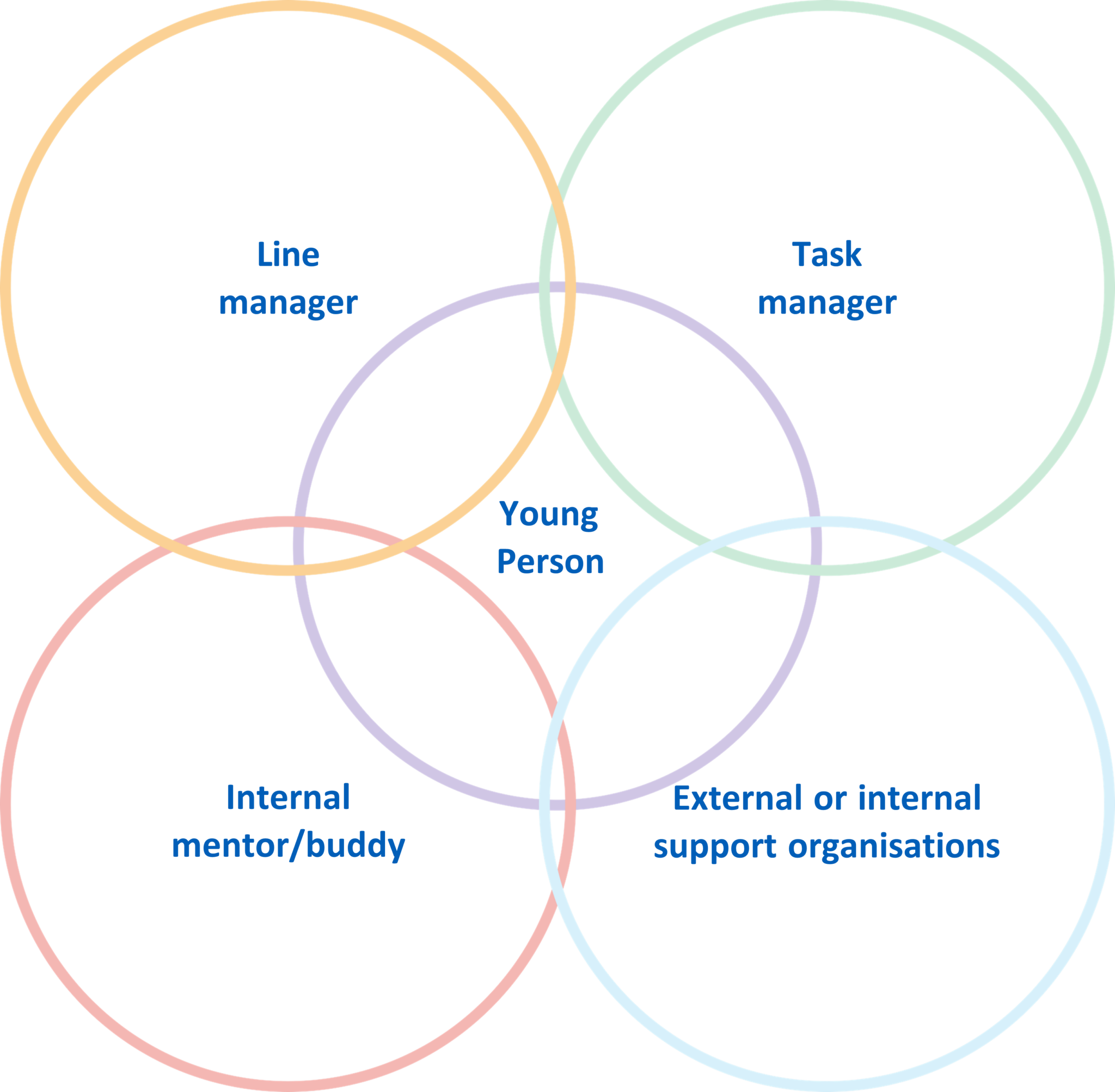
In NHS Birmingham and Solihull ICB, where James began his journey, they've created a consistent support system with representatives who can deliver support, advice, and guidance on mental health, HR matters, recruitment, and EDI initiatives.
The standard NHS recruitment process—structured and often daunting—has been thoughtfully adapted. Job advertisements now highlight attitudinal traits rather than long lists of credentials. Application procedures have been reconsidered to accommodate the particular difficulties care leavers might encounter—from lacking professional references to struggling with internet access.
Maybe most importantly, the Programme acknowledges that entering the workforce can create specific difficulties for care leavers who may be navigating autonomy without the backup of family resources. Concerns like travel expenses, proper ID, and financial services—considered standard by many—can become major obstacles.
The beauty of the Programme lies in its thorough planning—from clarifying salary details to helping with commuting costs until that critical first salary payment. Even seemingly minor aspects like break times and office etiquette are carefully explained.
For James, whose professional path has "revolutionized" his life, the Programme provided more than a job. It offered him a sense of belonging—that elusive quality that grows when someone feels valued not despite their history but because their particular journey enriches the workplace.
"Working for the NHS isn't just about doctors and nurses," James notes, his eyes reflecting the subtle satisfaction of someone who has secured his position. "It's about a family of different jobs and roles, a family of people who really connect."
The NHS Universal Family Programme embodies more than an employment initiative. It stands as a powerful statement that systems can adapt to welcome those who have navigated different paths. In doing so, they not only transform individual lives but enrich themselves through the unique perspectives that care leavers bring to the table.
As James moves through the hospital, his presence quietly demonstrates that with the right assistance, care leavers can flourish in environments once considered beyond reach. The support that the NHS has extended through this Programme symbolizes not charity but acknowledgment of overlooked talent and the profound truth that each individual warrants a community that believes in them.