견적문의
페이지 정보
작성자 Mozelle Sulman 댓글댓글 0건 조회조회 455회 작성일작성일 25-09-20 13:00본문
| 회사명 | CR |
|---|---|
| 담당자명 | Mozelle Sulman |
| 전화번호 | CR |
| 휴대전화 | CO |
| 이메일 | mozellesulman@yahoo.com |
| 프로젝트유형 | |
|---|---|
| 제작유형 | |
| 제작예산 | |
| 현재사이트 | |
| 참고사이트1 | |
| 참고사이트2 |
Among the organized chaos of medical professionals in Birmingham, a young man named James Stokes moves with quiet purpose. His oxford shoes barely make a sound as he exchanges pleasantries with colleagues—some by name, others with the universal currency of a "good morning."
James wears his NHS lanyard not merely as institutional identification but as a testament of inclusion. It rests against a neatly presented outfit that gives no indication of the difficult path that brought him here.
What distinguishes James from many of his colleagues is not visible on the surface. His presence reveals nothing of the fact that he was among the first beneficiaries of the NHS Universal Family Programme—an initiative crafted intentionally for young people who have experienced life in local authority care.

"It felt like the NHS was putting its arm around me," James reflects, his voice steady but tinged with emotion. His observation captures the heart of a programme that seeks to reinvent how the vast healthcare system views care leavers—those frequently marginalized young people aged 16-25 who have graduated out of the care system.
The numbers tell a troubling story. Care leavers commonly experience poorer mental health outcomes, financial instability, accommodation difficulties, and diminished educational achievements compared to their peers. Beneath these impersonal figures are human stories of young people who have navigated a system that, despite genuine attempts, often falls short in delivering the supportive foundation that molds most young lives.
The NHS Universal Family Programme, initiated in January 2023 following NHS England's commitment to the Care Leaver Covenant, signifies a substantial transformation in systemic approach. At its core, it recognizes that the whole state and civil society should function as a "communal support system" for those who haven't known the security of a typical domestic environment.
A select group of healthcare regions across England have led the way, creating frameworks that reconceptualize how the NHS—one of Europe's largest employers—can open its doors to care leavers.
The Programme is meticulous in its methodology, starting from thorough assessments of existing practices, establishing management frameworks, and obtaining executive backing. It acknowledges that effective inclusion requires more than lofty goals—it demands practical measures.
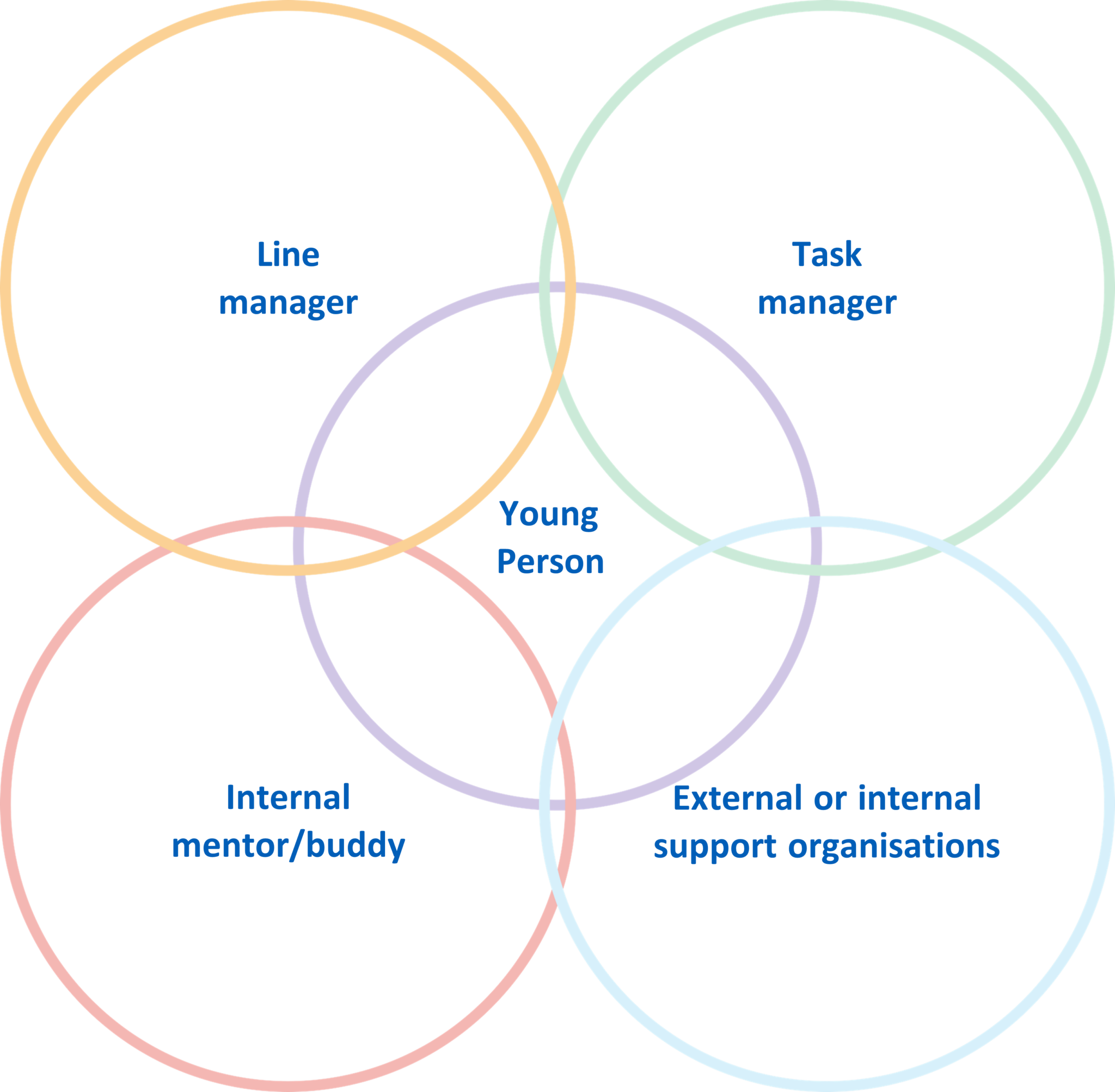
In NHS Birmingham and Solihull ICB, where James found his footing, they've created a reliable information exchange with representatives who can provide help and direction on personal welfare, HR matters, recruitment, and equality, diversity, and inclusion.
The traditional NHS recruitment process—structured and potentially intimidating—has been intentionally adjusted. Job advertisements now highlight attitudinal traits rather than long lists of credentials. Application procedures have been redesigned to address the unique challenges care leavers might encounter—from not having work-related contacts to having limited internet access.
Possibly most crucially, the Programme acknowledges that entering the workforce can present unique challenges for care leavers who may be navigating autonomy without the safety net of familial aid. Issues like transportation costs, identification documents, and financial services—considered standard by many—can become significant barriers.
The brilliance of the Programme lies in its thorough planning—from outlining compensation information to offering travel loans until that critical first wage disbursement. Even ostensibly trivial elements like coffee breaks and professional behavior are deliberately addressed.
For James, whose professional path has "revolutionized" his life, the Programme provided more than employment. It gave him a perception of inclusion—that intangible quality that develops when someone feels valued not despite their history but because their unique life experiences enriches the organization.
"Working for the NHS isn't just about doctors and nurses," James observes, his eyes reflecting the subtle satisfaction of someone who has found his place. "It's about a community of different jobs and roles, a team of people who really connect."
The NHS Universal Family Programme exemplifies more than an job scheme. It functions as a bold declaration that systems can evolve to include those who have known different challenges. In doing so, they not only change personal trajectories but improve their services through the unique perspectives that care leavers bring to the table.
As James navigates his workplace, his presence silently testifies that with the right support, care leavers can flourish in environments once thought inaccessible. The arm that the NHS has offered through this Programme symbolizes not charity but acknowledgment of untapped potential and the profound truth that all people merit a support system that champions their success.