

견적문의
페이지 정보
작성자 Minna 댓글댓글 0건 조회조회 388회 작성일작성일 25-09-16 11:36본문
| 회사명 | BU |
|---|---|
| 담당자명 | Minna |
| 전화번호 | WH |
| 휴대전화 | FT |
| 이메일 | minnamacandie@facebook.com |
| 프로젝트유형 | |
|---|---|
| 제작유형 | |
| 제작예산 | |
| 현재사이트 | |
| 참고사이트1 | |
| 참고사이트2 |
In the sterile corridors of Birmingham Women's and Children's NHS Foundation Trust, a young man named James Stokes carries himself with the measured poise of someone who has found his place. His smart shoes barely make a sound as he exchanges pleasantries with colleagues—some by name, others with the familiar currency of a "how are you."
James carries his identification not merely as an employee badge but as a symbol of belonging. It rests against a pressed shirt that gives no indication of the tumultuous journey that brought him here.

What sets apart James from many of his colleagues is not visible on the surface. His demeanor discloses nothing of the fact that he was among the first beneficiaries of the NHS Universal Family Programme—an initiative designed specifically for young people who have experienced life in local authority care.
"The Programme embraced me when I needed it most," James reflects, his voice steady but carrying undertones of feeling. His observation summarizes the essence of a programme that seeks to transform how the massive healthcare system views care leavers—those frequently marginalized young people aged 16-25 who have transitioned from the care system.
The figures tell a troubling story. Care leavers commonly experience greater psychological challenges, financial instability, shelter insecurities, and reduced scholarly attainment compared to their contemporaries. Behind these impersonal figures are individual journeys of young people who have maneuvered through a system that, despite genuine attempts, often falls short in offering the supportive foundation that molds most young lives.
The NHS Universal Family Programme, initiated in January 2023 following NHS England's pledge to the Care Leaver Covenant, represents a significant change in institutional thinking. At its core, it acknowledges that the entire state and civil society should function as a "universal family" for those who haven't experienced the stability of a conventional home.
Ten pioneering healthcare collectives across England have blazed the trail, creating structures that reconceptualize how the NHS—one of Europe's largest employers—can create pathways to care leavers.
The Programme is detailed in its methodology, starting from comprehensive audits of existing procedures, establishing management frameworks, and garnering senior buy-in. It understands that successful integration requires more than good intentions—it demands concrete steps.
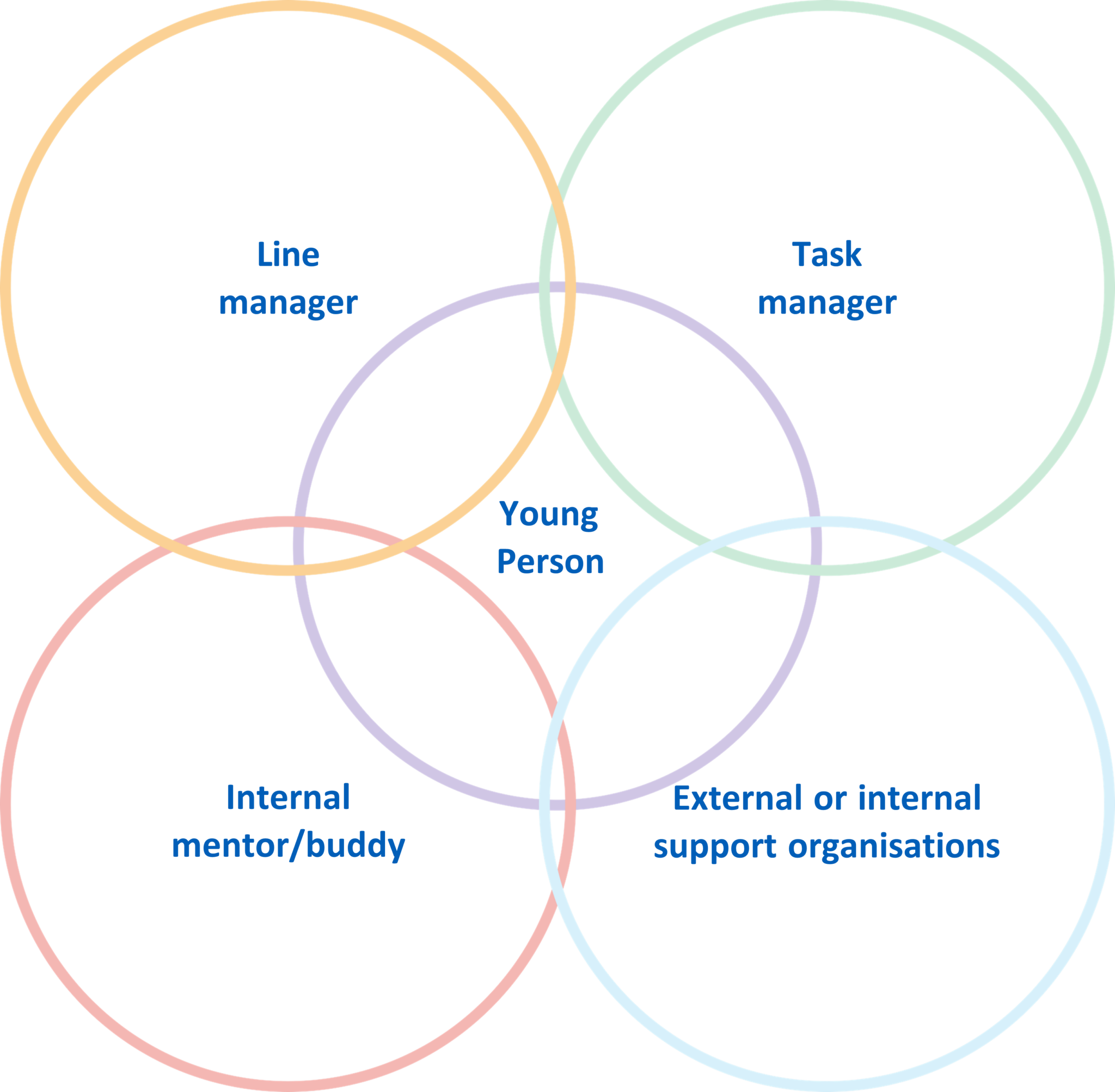
In NHS Birmingham and Solihull ICB, where James began his journey, they've established a regular internal communication network with representatives who can deliver assistance and counsel on mental health, HR matters, recruitment, and EDI initiatives.
The traditional NHS recruitment process—rigid and potentially intimidating—has been carefully modified. Job advertisements now highlight attitudinal traits rather than numerous requirements. Application processes have been reimagined to accommodate the particular difficulties care leavers might experience—from missing employment history to struggling with internet access.
Possibly most crucially, the Programme acknowledges that entering the workforce can pose particular problems for care leavers who may be managing independent living without the safety net of parental assistance. Matters like travel expenses, identification documents, and bank accounts—taken for granted by many—can become major obstacles.
The elegance of the Programme lies in its attention to detail—from explaining payslip deductions to offering travel loans until that critical first salary payment. Even apparently small matters like rest periods and workplace conduct are thoughtfully covered.
For James, whose professional path has "transformed" his life, the Programme delivered more than employment. It offered him a perception of inclusion—that intangible quality that grows when someone is appreciated not despite their background but because their particular journey improves the workplace.
"Working for the NHS isn't just about doctors and nurses," James comments, his gaze showing the modest fulfillment of someone who has discovered belonging. "It's about a community of different jobs and roles, a family of people who truly matter."
The NHS Universal Family Programme embodies more than an job scheme. It exists as a powerful statement that institutions can evolve to welcome those who have navigated different paths. In doing so, they not only alter individual futures but enrich themselves through the unique perspectives that care leavers provide.
As James walks the corridors, his presence subtly proves that with the right help, care leavers can succeed in environments once deemed unattainable. The embrace that the NHS has extended through this Programme signifies not charity but appreciation of overlooked talent and the essential fact that everyone deserves a support system that champions their success.