

견적문의
페이지 정보
작성자 Arnoldo 댓글댓글 0건 조회조회 399회 작성일작성일 25-12-14 22:07본문
| 회사명 | UY |
|---|---|
| 담당자명 | Arnoldo |
| 전화번호 | SS |
| 휴대전화 | JX |
| 이메일 | arnoldowainscott@alice.it |
| 프로젝트유형 | |
|---|---|
| 제작유형 | |
| 제작예산 | |
| 현재사이트 | |
| 참고사이트1 | |
| 참고사이트2 |
Day care centers, also known as child care centers, are facilities that provide care and supervision for children, typically infants, toddlers, preschoolers, and sometimes school-aged children before and after school hours. These centers play a crucial role in supporting working parents, fostering early childhood development, and contributing to the overall well-being of families and communities. This report provides a comprehensive overview of day care centers, encompassing their history, types, benefits, challenges, regulations, and future trends.
A Brief History of Day Care
The concept of organized child care dates back centuries, but the modern day care center emerged in response to industrialization and the increasing number of women entering the workforce. In the 19th century, charitable organizations and settlement houses established nurseries and day nurseries to care for the children of working mothers, particularly those in low-income communities. These early programs focused primarily on providing basic care and safety.
The 20th century witnessed significant growth in the day care sector, driven by factors such as World War II, which saw a surge in women working in factories, and the subsequent rise of dual-income households. Government-funded programs, such as Head Start, were introduced to provide early childhood education and support for disadvantaged children. Over time, the focus of day care centers expanded beyond basic care to include educational and developmental activities.
Types of Day Care Centers
Day care centers vary in size, structure, and philosophy. Some common types include:
Center-Based Care: These are the most common type of day care, typically located in dedicated facilities and offering structured programs for children of different age groups. They often employ trained staff and adhere to specific curriculum guidelines.
Family Day Care Homes: These are smaller, home-based settings where a caregiver provides care for a small group of children. Family day care homes offer a more intimate and flexible environment, often appealing to parents seeking a more personalized approach.
Corporate Day Care Centers: Some companies offer on-site day care centers for their employees, providing a convenient and accessible child care option. These centers can improve employee morale, reduce absenteeism, and enhance productivity.
Preschool Programs: While not strictly day care centers, preschool programs often provide full-day or half-day care for children aged 3-5, focusing on preparing them for kindergarten.
Drop-In Day Care: These centers offer short-term, flexible care for parents who need occasional child care services.
Benefits of Day Care Centers
Day care centers offer numerous benefits for children, parents, and society as a whole:
Early Childhood Development: Day care centers provide opportunities for children to develop essential social, emotional, cognitive, and physical skills. Structured activities, such as storytelling, art projects, and outdoor play, stimulate learning and creativity.
Socialization: Day care centers provide children with opportunities to interact with peers, learn to share, cooperate, and resolve conflicts. These social interactions are crucial for developing social skills and building relationships.
School Readiness: High-quality day care programs can help children develop the skills and knowledge they need to succeed in school. They learn basic literacy and numeracy skills, as well as important social and emotional skills, such as following directions and working in groups.
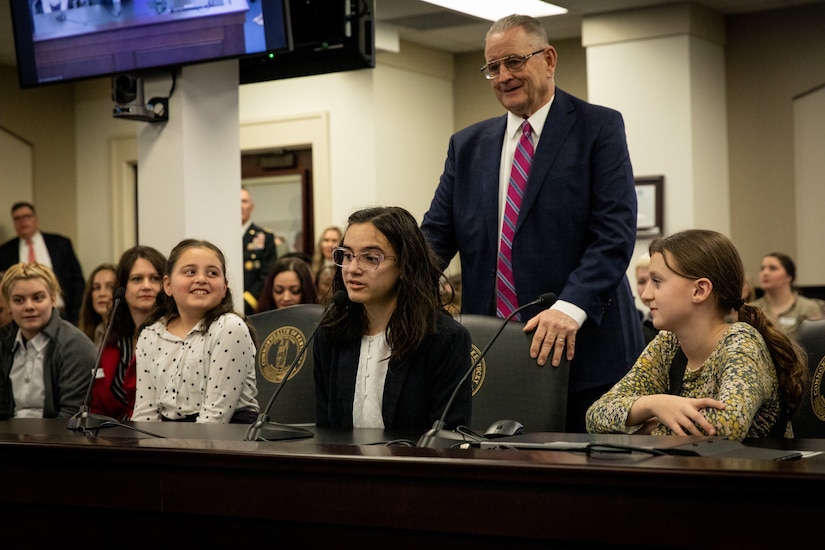
Support for Working Parents: Day care centers provide a safe and reliable child care option for working parents, allowing them to pursue their careers and contribute to the economy.
Economic Benefits: The day care sector contributes to the economy by creating jobs, supporting working parents, and fostering early childhood development, which has long-term economic benefits.
Challenges Facing Day Care Centers
Despite their numerous benefits, day care centers face several challenges:
High Costs: The cost of day care can be a significant burden for many families, particularly those with multiple children or low incomes.
Staffing Shortages: Day care centers often struggle to attract and retain qualified staff due to low wages and demanding working conditions.
Quality Concerns: Ensuring consistent quality across all day care centers is a challenge. Some centers may lack adequate resources, trained staff, or appropriate curriculum.
Regulations and Compliance: Day care centers are subject to various regulations and licensing requirements, which can be complex and time-consuming to comply with.
Accessibility: Access to affordable and high-quality day care can be limited in some areas, particularly in rural communities and low-income neighborhoods.
Regulations and Licensing
Day care centers are typically regulated at the state or local level, with licensing requirements varying depending on the jurisdiction. When you have virtually any inquiries about wherever along with how to utilize child care center varanasi, it is possible to contact us with our own web site. Regulations typically cover aspects such as:
Staff Qualifications: Minimum education and training requirements for staff members.
Staff-to-Child Ratios: The number of children that each staff member is responsible for.
Health and Safety Standards: Requirements for maintaining a safe and healthy environment, including sanitation, hygiene, and emergency procedures.
Curriculum and Activities: Guidelines for providing age-appropriate and developmentally appropriate activities.
Background Checks: Requirements for conducting background checks on all staff members to ensure the safety of children.
Choosing a Day Care Center
Choosing the right day care center for your child is an important decision. Parents should consider factors such as:
Location and Hours: Choose a center that is conveniently located and offers hours that meet your needs.
Cost: Compare the costs of different centers and consider your budget.
Staff Qualifications and Experience: Look for centers with qualified and experienced staff who are passionate about working with children.
Curriculum and Activities: Choose a center that offers a stimulating and age-appropriate curriculum.
Safety and Security: Ensure that the center has adequate safety and security measures in place.
Cleanliness and Hygiene: Visit the center and observe the cleanliness and hygiene practices.
Parent Involvement: Choose a center that encourages parent involvement and communication.
Accreditation: Consider centers that are accredited by reputable organizations, such as the National Association for the Education of Young Children (NAEYC).
Future Trends in Day Care
The day care sector is constantly evolving to meet the changing needs of families and communities. Some future trends include:
Increased Focus on Early Childhood Education: Day care centers are increasingly emphasizing early childhood education and school readiness.
Technology Integration: Technology is being used to enhance learning, communication, and administrative efficiency in day care centers.
Personalized Learning: Day care centers are adopting personalized learning approaches to cater to the individual needs of each child.
Expansion of Employer-Sponsored Child Care: More companies are offering on-site or subsidized child care benefits to attract and retain employees.
Government Support and Funding: Increased government support and funding are needed to address the challenges of affordability, quality, and accessibility in the day care sector.
Focus on Social-Emotional Learning: Recognizing the importance of social-emotional development, day care centers are increasingly incorporating programs that foster emotional intelligence, empathy, and self-regulation.
- Outdoor Learning and Nature-Based Programs: There is a growing trend towards incorporating outdoor learning and nature-based activities into day care programs, recognizing the benefits of spending time in nature for children's physical and mental well-being.