

견적문의
페이지 정보
작성자 Salvador 댓글댓글 0건 조회조회 61회 작성일작성일 25-12-04 00:57본문
| 회사명 | PF |
|---|---|
| 담당자명 | Salvador |
| 전화번호 | RV |
| 휴대전화 | CK |
| 이메일 | salvadorschaw@hotmail.com |
| 프로젝트유형 | |
|---|---|
| 제작유형 | |
| 제작예산 | |
| 현재사이트 | |
| 참고사이트1 | |
| 참고사이트2 |
Artificial grass, also known as synthetic turf, has evolved significantly since its inception in the 1960s. Initially designed for athletic fields, it has expanded its reach to residential lawns, commercial landscapes, and various other applications. This report provides a comprehensive overview of artificial grass, encompassing its composition, diverse applications, environmental impact, and future trends.
1. Composition and Manufacturing:
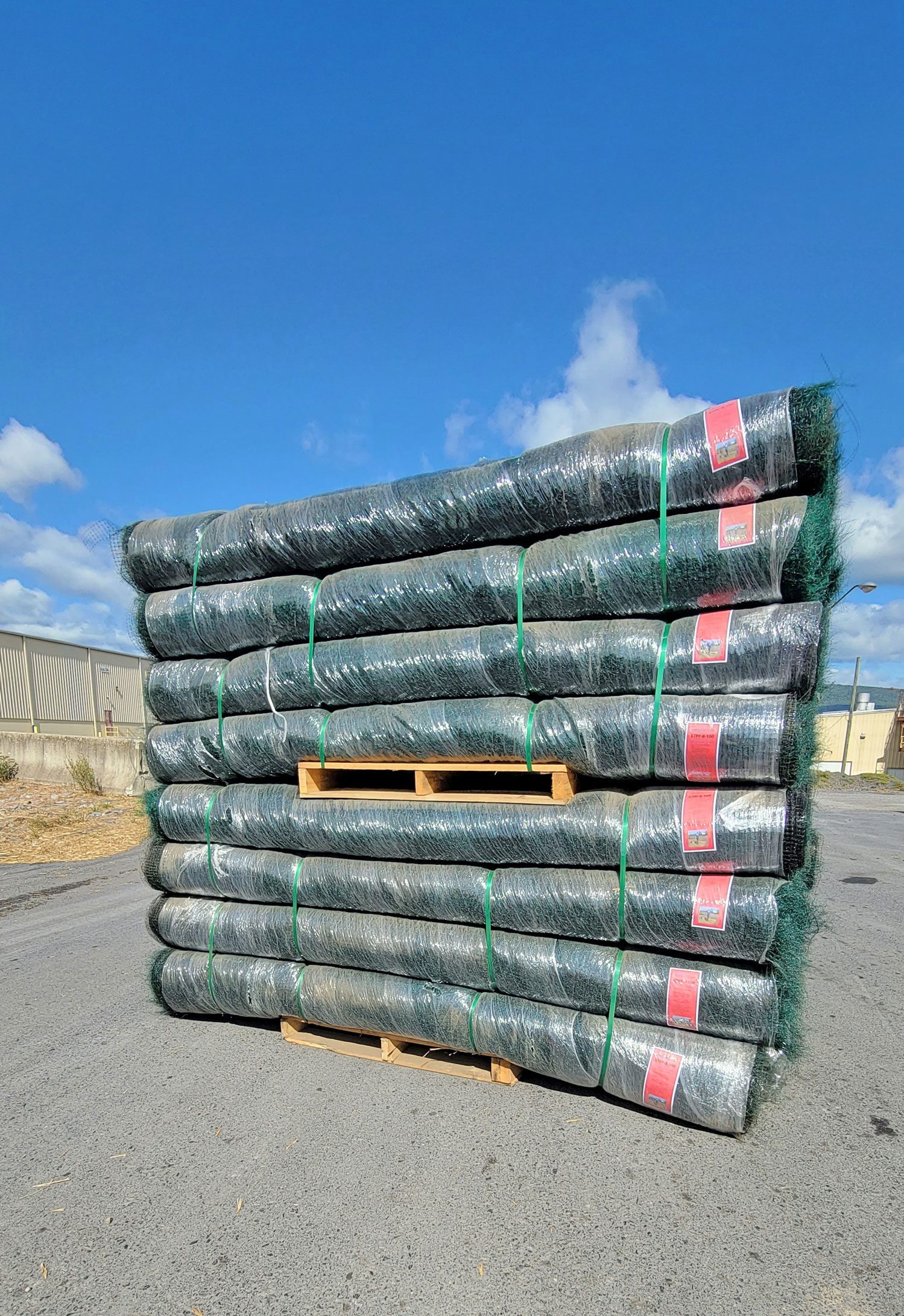
Artificial grass is primarily composed of synthetic fibers, typically made from polyethylene (PE), polypropylene (PP), or nylon. These fibers are extruded and then tufted into a backing material, usually made of polyurethane or latex. The manufacturing process involves several key steps:
Fiber Production: Polymers are melted and extruded through spinnerets to create individual fibers. The choice of polymer influences the fiber's durability, resilience, and appearance. PE offers good softness and UV resistance, PP provides cost-effectiveness, and nylon boasts superior durability and abrasion resistance.
Tufting: The fibers are tufted into the backing material using specialized machines. The density of tufting, measured in stitches per square inch, significantly impacts the grass's appearance, performance, and cost. Higher density generally results in a more realistic and durable product.
Coating: The backing material is coated with a binder, typically polyurethane or latex, to secure the fibers and provide stability. The coating also contributes to the drainage properties of the turf.
Infill (Optional): Infill materials, such as sand, rubber granules (recycled tires), or organic materials, are often added to the turf to provide cushioning, improve drainage, and enhance the overall performance. The infill helps to keep the fibers upright, mimicking the natural resilience of real grass.
2. Applications of Artificial Grass:
The versatility of artificial grass has led to its widespread adoption across various applications:
Sports Fields: Artificial turf is a popular choice for football, soccer, baseball, and other sports fields. It provides a consistent playing surface, reduces maintenance costs, and allows for year-round use, regardless of weather conditions.
Residential Lawns: Homeowners are increasingly opting for artificial grass to reduce water consumption, eliminate the need for mowing and fertilizing, and create a low-maintenance, aesthetically pleasing lawn. It is particularly beneficial in areas with water restrictions or challenging growing conditions.
Commercial Landscaping: Artificial grass is used in commercial settings such as parks, playgrounds, golf courses, and rooftop gardens. It offers a durable and attractive alternative to natural grass, reducing maintenance costs and enhancing the visual appeal of the space.
Pet Areas: Artificial grass is a hygienic and durable option for pet areas. It is easy to clean, resistant to stains and odors, and provides a comfortable surface for pets to play on.
Indoor Applications: Artificial grass can be used indoors for various purposes, such as playrooms, gyms, and event spaces. It provides a soft and safe surface for activities and adds a touch of greenery to the interior.
3. Environmental Impact:
The environmental impact of artificial grass is a complex issue with both positive and negative aspects:
Water Conservation: Artificial grass eliminates the need for irrigation, significantly reducing water consumption, especially in arid regions.
Reduced Chemical Use: It eliminates the need for fertilizers, pesticides, and herbicides, reducing the risk of chemical runoff and pollution.
Waste Reduction: Artificial grass eliminates the need for mowing, which reduces the emissions associated with lawnmowers and the waste generated from grass clippings.
Material Production and Disposal: The production of synthetic fibers and backing materials requires energy and resources, contributing to greenhouse gas emissions. The disposal of artificial grass at the end of its lifespan can be challenging, as it is often not biodegradable and can end up in landfills.
Heat Island Effect: Artificial grass can absorb and retain heat, contributing to the urban heat island effect, particularly in areas with limited shade.
Infill Concerns: Rubber infill, derived from recycled tires, can leach chemicals into the environment, raising concerns about potential health risks. When you have any kind of queries relating to wherever and how to utilize artificial grass texture, it is possible to email us on our webpage. However, alternative infill materials, such as sand and organic materials, are becoming increasingly popular.
4. Advantages and Disadvantages:
Advantages:
Low maintenance: Requires no mowing, watering, fertilizing, or weeding.
Durability: Resistant to wear and tear, and can withstand heavy use.
Aesthetics: Provides a consistently green and attractive appearance year-round.
Water conservation: Eliminates the need for irrigation, saving water resources.
Allergen-free: Reduces exposure to pollen and other allergens.
Year-round usability: Usable in all weather conditions.
Disadvantages:
Initial cost: Higher upfront cost compared to natural grass.
Heat retention: Can become hot in direct sunlight.
Environmental impact: Production and disposal contribute to environmental concerns.
Potential for chemical leaching: Concerns about the safety of infill materials.
Installation: Requires professional installation for optimal results.
Not biodegradable: Difficult to dispose of at the end of its lifespan.
5. Future Trends:
The artificial grass industry is constantly evolving, with several key trends shaping its future:
Sustainable Materials: Research and development are focused on using more sustainable materials, such as bio-based polymers and recycled content, to reduce the environmental impact.
Improved Drainage: Innovations in backing materials and infill systems are improving drainage capabilities, reducing the risk of waterlogging and enhancing the performance of the turf.
Cooling Technologies: Technologies are being developed to reduce the heat retention of artificial grass, such as incorporating reflective pigments or using cooling infill materials.
Smart Turf: The integration of sensors and other technologies is enabling the development of "smart turf" that can monitor performance, detect problems, and optimize maintenance.
Recycling and Circular Economy: Efforts are underway to develop more effective recycling processes for artificial grass, promoting a circular economy and reducing waste.
- Enhanced Realism: Manufacturers are continuously improving the appearance and feel of artificial grass to mimic the look and texture of natural grass more closely.
Artificial grass offers a viable alternative to natural grass in various applications, providing numerous benefits such as water conservation, reduced maintenance, and year-round usability. However, it is essential to consider the environmental impact associated with its production, installation, and disposal. The future of artificial grass lies in the development of more sustainable materials, improved performance characteristics, and effective recycling solutions. By embracing these advancements, the industry can minimize its environmental footprint and continue to provide a valuable landscaping solution for years to come.