

견적문의
페이지 정보
작성자 Jenny Culp 댓글댓글 0건 조회조회 143회 작성일작성일 26-02-26 23:22본문
| 회사명 | KJ |
|---|---|
| 담당자명 | Jenny Culp |
| 전화번호 | IB |
| 휴대전화 | IW |
| 이메일 | culpjenny471@live.com |
| 프로젝트유형 | |
|---|---|
| 제작유형 | |
| 제작예산 | |
| 현재사이트 | |
| 참고사이트1 | |
| 참고사이트2 |
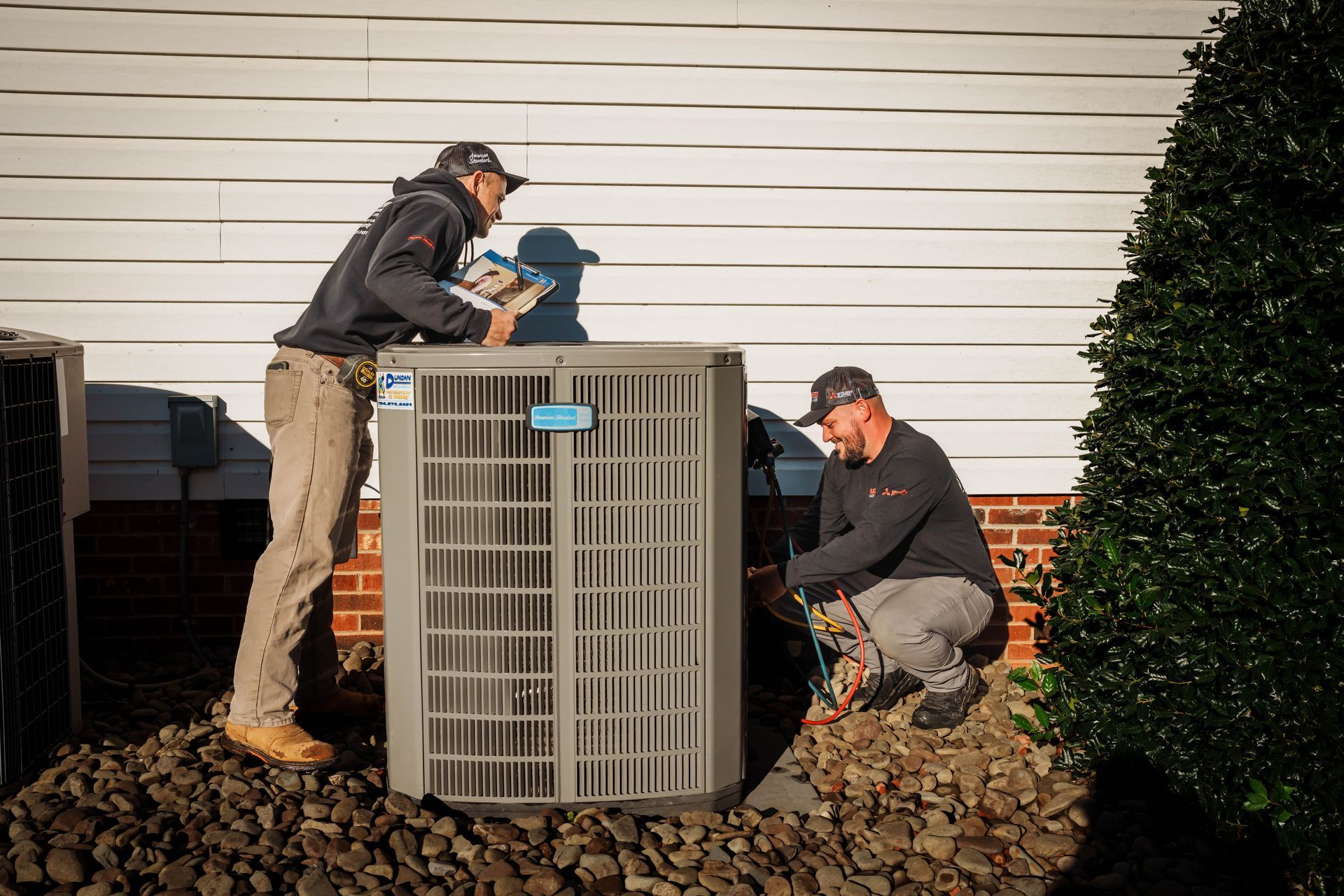 HVAC stands for Heating, Ventilation, and Air Conditioning. It is a technology used to regulate indoor environments, ensuring comfortable temperatures, good air quality, and proper airflow in residential, commercial, and industrial buildings. This system plays a vital role in maintaining comfort and health by controlling temperature, humidity, and air cleanliness.
If you loved this short article and you would like to obtain extra data regarding hvac service wrench size [weblink] kindly stop by our web site. Key Components and Functions of HVAC
The heating part of HVAC involves warming indoor spaces during cold weather, often using furnaces, boilers, or heat pumps. Ventilation refers to the exchange of indoor and outdoor air to remove pollutants, odors, and moisture, thereby improving air quality. Air conditioning cools the air during hot weather and helps reduce humidity, often through refrigeration cycles.
Modern HVAC systems integrate these elements to work together efficiently. They use thermostats and sensors to monitor and adjust temperature and humidity automatically. Air filters and ventilation ducts ensure that air circulates properly and stays clean by trapping dust, allergens, and other particles.
Besides comfort, HVAC systems are crucial for health and safety, especially in hospitals, laboratories, and workplaces where air quality must meet strict standards. They also support energy efficiency through advanced technologies that reduce power consumption and environmental impact.
Conclusion
In essence, HVAC systems are the backbone of comfortable and healthy indoor environments. By combining heating, ventilation, and air conditioning technologies, they create spaces that are livable year-round, protect occupants’ well-being, and improve energy use. As technology evolves, HVAC continues to become smarter and more sustainable, shaping the future of building design and climate control.