

견적문의
페이지 정보
작성자 Stewart Ralston 댓글댓글 0건 조회조회 173회 작성일작성일 25-11-25 10:16본문
| 회사명 | ZC |
|---|---|
| 담당자명 | Stewart Ralston |
| 전화번호 | TG |
| 휴대전화 | CZ |
| 이메일 | stewartralston@rediffmail.com |
| 프로젝트유형 | |
|---|---|
| 제작유형 | |
| 제작예산 | |
| 현재사이트 | |
| 참고사이트1 | |
| 참고사이트2 |
Plumbers are essential professionals who install and repair water and drainage systems in residential, commercial, and industrial buildings. Should you loved this short article and you wish to receive details relating to trusted plumbing services please visit our own web site. Their work ensures the safe and efficient delivery of water and the proper disposal of waste, contributing significantly to public health and sanitation. This report provides a comprehensive overview of the plumbing profession, covering its history, responsibilities, training, tools, challenges, and future trends.
A Historical Perspective:
The history of plumbing dates back to ancient civilizations. The Romans, renowned for their engineering prowess, developed sophisticated aqueducts and sewer systems. Evidence of plumbing systems has also been found in ancient Egypt, Greece, and the Indus Valley Civilization. These early systems, while rudimentary compared to modern plumbing, demonstrate the long-standing need for water management and waste disposal. The word "plumber" itself derives from the Latin word "plumbum," meaning lead, which was commonly used for pipes in ancient Rome.
During the Middle Ages, plumbing systems declined in Europe, leading to unsanitary conditions and the spread of disease. However, the Renaissance saw a renewed interest in sanitation and water management, paving the way for the development of more advanced plumbing technologies. The invention of the flush toilet in the 16th century was a significant milestone, although its widespread adoption didn't occur until the 19th century.
The Industrial Revolution brought about significant advancements in plumbing technology, including the development of cast iron pipes, improved pumps, and more efficient water heaters. The 20th century witnessed the introduction of new materials like copper and plastic, which offered advantages in terms of durability, corrosion resistance, and ease of installation.
Responsibilities of a Plumber:
The responsibilities of a plumber are diverse and encompass a wide range of tasks, including:
Installation: Installing water and drainage systems in new construction projects, including pipes, fixtures (sinks, toilets, showers), and appliances (water heaters, dishwashers).
Repair: Diagnosing and repairing leaks, clogs, and other plumbing problems in existing systems. This can involve replacing damaged pipes, repairing fixtures, and clearing blocked drains.
Maintenance: Performing routine maintenance on plumbing systems to prevent problems and ensure optimal performance. This may include inspecting pipes for leaks, flushing water heaters, and cleaning drains.
Troubleshooting: Identifying the cause of plumbing problems and developing effective solutions. This requires a strong understanding of plumbing systems and the ability to use diagnostic tools.
Code Compliance: Ensuring that all plumbing work complies with local building codes and regulations. This is crucial for ensuring the safety and efficiency of plumbing systems.
Blueprint Reading: Interpreting blueprints and technical drawings to understand the layout of plumbing systems.
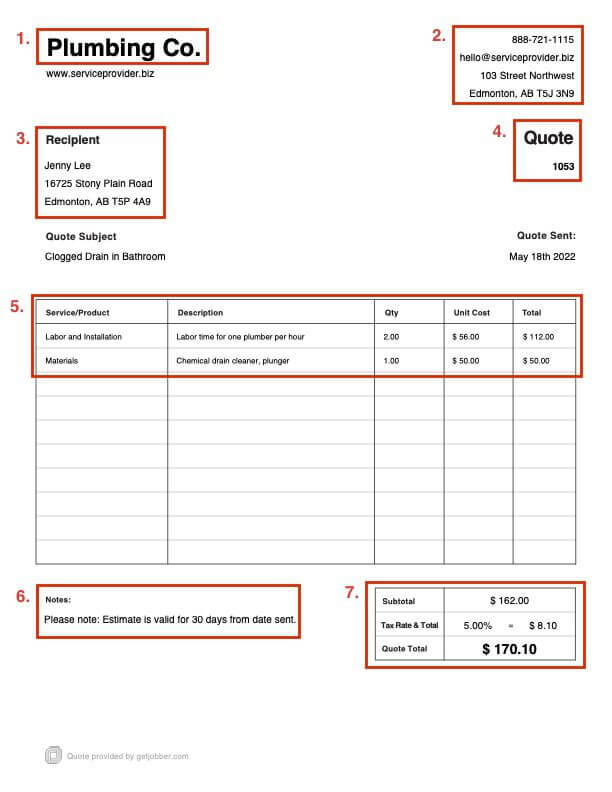
Customer Service: Interacting with customers, explaining plumbing problems, and providing cost estimates.
Emergency Services: Responding to emergency plumbing situations, such as burst pipes or overflowing toilets.
Training and Education:
Becoming a licensed plumber typically involves a combination of formal education and on-the-job training. The specific requirements vary depending on the location, but generally include:
Apprenticeship: A formal apprenticeship program, typically lasting four to five years, is the most common path to becoming a plumber. Apprentices work under the supervision of experienced plumbers, learning the trade through hands-on experience.
Vocational Schools: Some vocational schools offer plumbing programs that provide students with a foundation in plumbing theory and practice. These programs can shorten the apprenticeship period.
Licensing: Most jurisdictions require plumbers to be licensed. Licensing typically involves passing an exam that tests knowledge of plumbing codes, regulations, and best practices.
Continuing Education: Licensed plumbers are often required to complete continuing education courses to stay up-to-date on the latest technologies and code changes.
Tools of the Trade:
Plumbers rely on a variety of tools to perform their work, including:
Pipe Wrenches: Used for gripping and turning pipes.
Plungers: Used to clear clogged drains.
Augers (Snakes): Used to remove obstructions from pipes.
Pipe Cutters: Used to cut pipes to the desired length.
Soldering Torches: Used to join copper pipes.
Pliers: Used for gripping and manipulating small parts.
Levels: Used to ensure that pipes are properly aligned.
Measuring Tapes: Used to measure pipes and fittings.
Leak Detectors: Used to locate leaks in pipes.
Video Inspection Cameras: Used to inspect pipes for damage or obstructions.
Challenges Faced by Plumbers:
Plumbers face a number of challenges in their work, including:
Working in Confined Spaces: Plumbers often have to work in tight spaces, such as under sinks or in crawl spaces.
Exposure to Hazardous Materials: Plumbers may be exposed to hazardous materials, such as asbestos, lead, and sewage.
Dealing with Difficult Customers: Plumbers often have to deal with customers who are stressed or upset about plumbing problems.
Keeping Up with Technological Advancements: The plumbing industry is constantly evolving, and plumbers need to stay up-to-date on the latest technologies and techniques.
Physical Demands: Plumbing work can be physically demanding, requiring lifting, bending, and kneeling.
Emergency Calls: Plumbers are often called upon to respond to emergency plumbing situations at all hours of the day and night.
Future Trends in Plumbing:
The plumbing industry is undergoing significant changes, driven by technological advancements and increasing concerns about water conservation and sustainability. Some of the key trends include:
Smart Plumbing Systems: Smart plumbing systems use sensors and data analytics to monitor water usage, detect leaks, and optimize system performance.
Water Conservation Technologies: Water-efficient fixtures, such as low-flow toilets and showerheads, are becoming increasingly popular.
Sustainable Plumbing Practices: Plumbers are increasingly adopting sustainable practices, such as using recycled materials and minimizing water waste.
Trenchless Pipe Repair: Trenchless pipe repair technologies allow plumbers to repair or replace damaged pipes without digging up the ground.
Building Information Modeling (BIM): BIM is being used to design and coordinate plumbing systems in new construction projects.
Increased Automation: Automation is being used to streamline plumbing tasks, such as pipe cutting and welding.
Conclusion:
Plumbers play a vital role in ensuring the health, safety, and comfort of our communities. Their work is essential for providing clean water, disposing of waste, and preventing water damage. The plumbing profession is constantly evolving, and plumbers need to stay up-to-date on the latest technologies and best practices to meet the challenges of the 21st century. As concerns about water conservation and sustainability grow, the role of plumbers in promoting responsible water management will become even more important. The demand for skilled plumbers is expected to remain strong in the coming years, making it a rewarding and stable career choice.