견적문의
페이지 정보
작성자 Kia 댓글댓글 0건 조회조회 41회 작성일작성일 25-12-08 14:10본문
| 회사명 | FH |
|---|---|
| 담당자명 | Kia |
| 전화번호 | HE |
| 휴대전화 | VG |
| 이메일 | kiaroney@gmail.com |
| 프로젝트유형 | |
|---|---|
| 제작유형 | |
| 제작예산 | |
| 현재사이트 | |
| 참고사이트1 | |
| 참고사이트2 |
Pet Waste Removal: A Comprehensive Overview
Pet waste, often referred to as "poop," is a significant environmental and public health concern, particularly in urban and suburban areas. While seemingly innocuous, dog and cat feces contain harmful bacteria, parasites, and viruses that can contaminate soil, water sources, and pose risks to both human and animal health. If you have any type of inquiries regarding where and ways to make use of dog poop removal vancouver (zumvu.com), you can call us at the web page. Effective pet waste removal is therefore crucial for maintaining clean and healthy communities. This report provides a comprehensive overview of the issues surrounding pet waste, the methods employed for its removal, the associated regulations, and the benefits of responsible pet ownership.
The Problem: Environmental and Health Impacts
The accumulation of pet waste presents a multifaceted problem. Firstly, it contributes to water pollution. Rainwater runoff carries pet waste, along with its contaminants, into storm drains, eventually leading to rivers, lakes, and oceans. This runoff can contaminate drinking water sources and recreational areas, posing risks to human health. The bacteria commonly found in pet waste, such as E. coli and Salmonella, can cause gastrointestinal illnesses, while parasites like roundworms and hookworms can infect humans and animals alike.
Secondly, pet waste degrades soil quality. While some argue that pet waste acts as a fertilizer, the high concentration of nitrogen and phosphorus in dog and cat feces can disrupt the natural balance of soil nutrients. This can lead to excessive algae growth in waterways (eutrophication), harming aquatic life. Furthermore, the presence of pathogens in the soil can persist for extended periods, posing a continuous threat to public health.
Thirdly, pet waste contributes to unpleasant odors and aesthetic degradation. The accumulation of feces in public spaces, such as parks, sidewalks, and yards, creates an unsightly environment and can deter people from enjoying these areas. The smell can be particularly offensive, especially during warmer months.
Methods of Pet Waste Removal
Various methods are employed to manage and remove pet waste, each with its own advantages and disadvantages:
Manual Pick-Up: This is the most common and readily available method. Pet owners are expected to carry disposable bags (plastic or biodegradable) and pick up their pet's waste immediately after defecation. This method is effective when consistently practiced but relies heavily on individual responsibility.
Pet Waste Stations: Public spaces, such as parks and apartment complexes, often provide pet waste stations. These stations typically include dispensers for waste bags and receptacles for disposal. They encourage responsible pet ownership and make it easier for owners to comply with regulations.
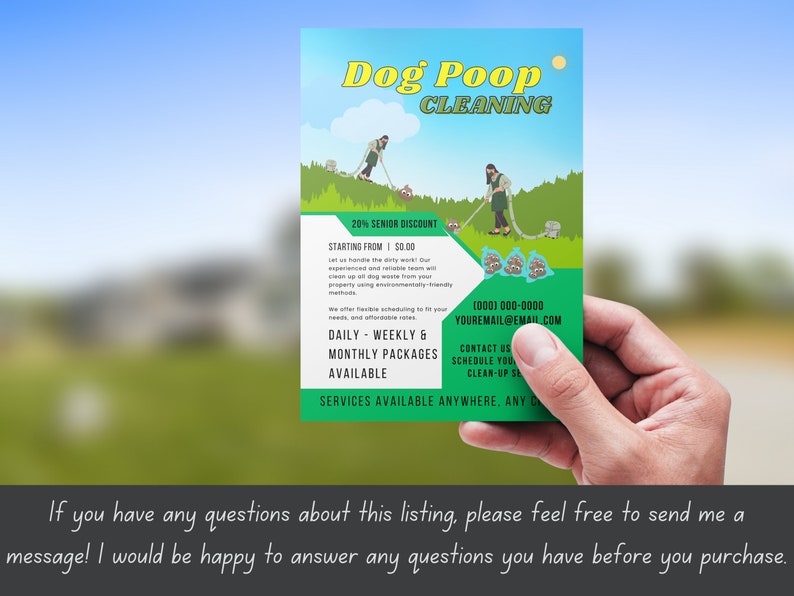
Professional Pet Waste Removal Services: These services offer regular waste removal from yards and other private properties. They are particularly useful for busy pet owners, individuals with mobility issues, or those who simply prefer not to handle the task themselves. Services typically involve weekly or bi-weekly visits to scoop and dispose of waste.
Composting: Composting pet waste is a more environmentally friendly option, but it requires careful management. Dog and cat waste cannot be composted in the same way as food scraps or yard waste. Special composting systems are needed to ensure the waste reaches high enough temperatures to kill pathogens. The resulting compost is generally not suitable for use on food crops but can be used on lawns and ornamental plants.
Septic Systems: In some rural areas, pet waste can be disposed of through septic systems. However, this practice can overload the system and potentially lead to environmental problems if not managed properly.
Flushable Pet Waste Bags: These bags are designed to be flushed down the toilet. While convenient, they can potentially clog plumbing systems and may not fully break down in wastewater treatment plants. Their environmental impact is still under debate.
Regulations and Enforcement
Many municipalities and local governments have implemented regulations regarding pet waste removal. These regulations typically include:
Mandatory Pick-Up Laws: Pet owners are legally required to pick up their pet's waste in public spaces. Failure to comply can result in fines.
Leash Laws: Leash laws, while not directly related to waste removal, often accompany waste regulations. They help control pets and make it easier for owners to manage their waste.
Designated Pet Relief Areas: Some areas may designate specific locations where pets are allowed to relieve themselves, often with waste stations nearby.
Enforcement: Enforcement of pet waste regulations varies. It can involve patrols by animal control officers, park rangers, or other designated personnel. Fines and warnings are common penalties for non-compliance.
Benefits of Responsible Pet Ownership
Responsible pet waste removal offers numerous benefits:
Improved Public Health: Reducing the spread of pathogens and parasites protects human and animal health.
Environmental Protection: Preventing water pollution and soil degradation helps preserve natural resources.
Enhanced Aesthetics: Clean parks, sidewalks, and yards create a more pleasant environment for everyone.
Community Well-being: Responsible pet ownership fosters a sense of community and respect for public spaces.
Reduced Nuisance Complaints: Addressing pet waste issues reduces complaints from residents and improves neighborhood harmony.
Challenges and Future Directions
Despite the importance of pet waste removal, several challenges remain:
Lack of Awareness: Some pet owners may be unaware of the regulations or the environmental and health impacts of pet waste.
Inconvenience: Picking up pet waste can be perceived as inconvenient, especially in inclement weather or when walking multiple dogs.
Cost: The cost of waste bags, professional services, and composting systems can be a barrier for some pet owners.
Enforcement Difficulties: Enforcing regulations can be challenging due to the difficulty of observing violations and the limited resources available for enforcement.
Future directions for pet waste management include:
Increased Public Education: Raising awareness about the importance of pet waste removal through public service announcements, educational campaigns, and community outreach programs.
Improved Bag Technology: Developing more sustainable and biodegradable waste bags.
Enhanced Composting Systems: Researching and developing more efficient and user-friendly composting systems for pet waste.
Smart Technologies: Exploring the use of smart technologies, such as GPS tracking of pet waste locations, to improve waste management efficiency.
Incentives: Offering incentives, such as discounts on pet supplies or tax breaks, to encourage responsible pet ownership.
Conclusion
Pet waste removal is a critical aspect of responsible pet ownership and community well-being. By understanding the environmental and health impacts of pet waste, employing effective removal methods, adhering to regulations, and promoting responsible practices, we can create cleaner, healthier, and more enjoyable environments for both humans and animals. Continued efforts in education, innovation, and enforcement are essential to address the challenges and ensure the long-term sustainability of pet waste management practices.