

견적문의
페이지 정보
작성자 Darell 댓글댓글 0건 조회조회 534회 작성일작성일 25-11-28 17:33본문
| 회사명 | MQ |
|---|---|
| 담당자명 | Darell |
| 전화번호 | EA |
| 휴대전화 | VV |
| 이메일 | darell_leon@bol.com.br |
| 프로젝트유형 | |
|---|---|
| 제작유형 | |
| 제작예산 | |
| 현재사이트 | |
| 참고사이트1 | |
| 참고사이트2 |
Construction is a multifaceted and dynamic industry responsible for the creation, maintenance, and repair of the built environment. It encompasses a vast range of activities, from the initial planning and design stages to the final completion and handover of a project. This report provides a comprehensive overview of the construction industry, exploring its key aspects, processes, challenges, and future trends.
Defining Construction:
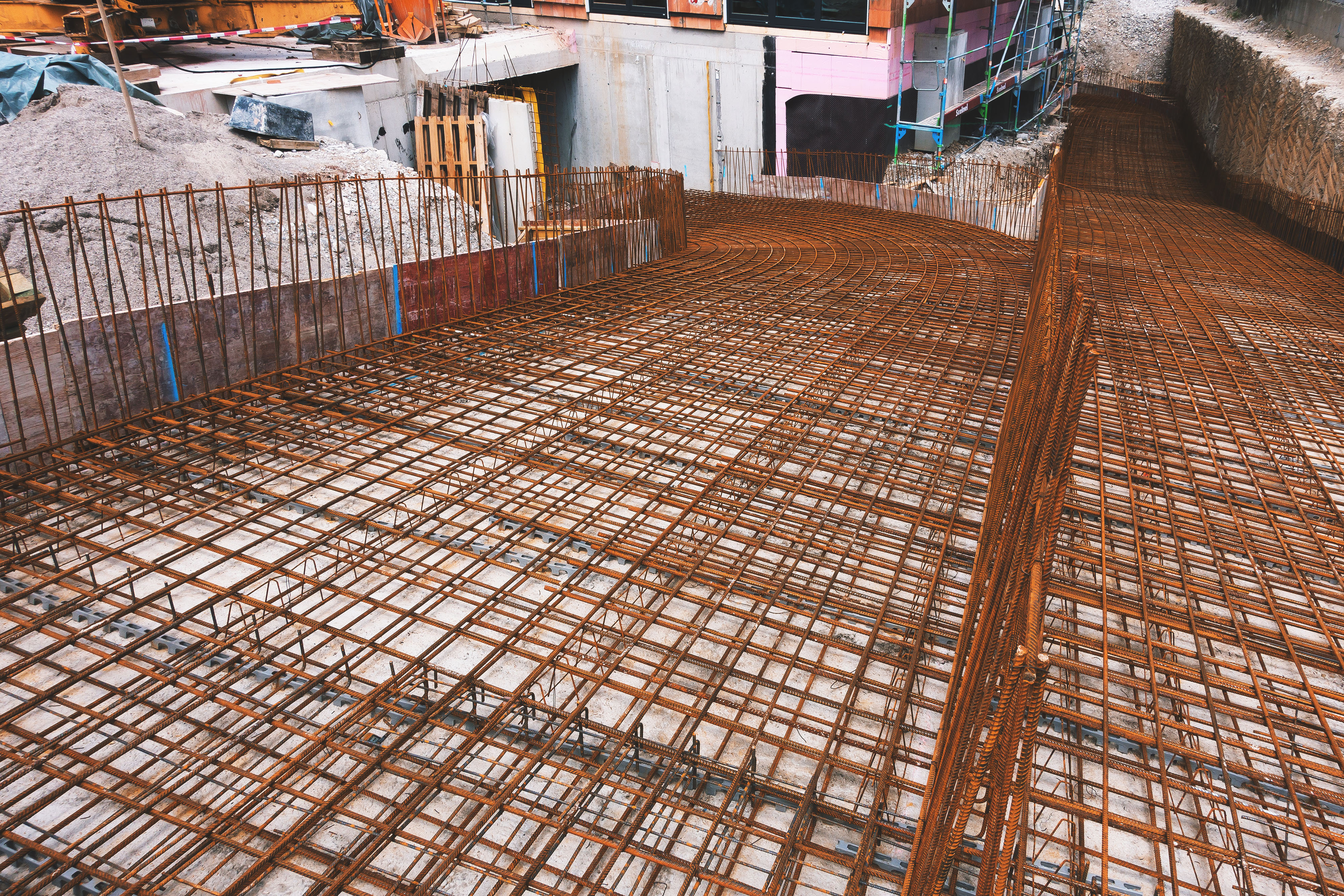
At its core, construction involves the assembly and erection of structures, infrastructure, and facilities. These can range from residential buildings and commercial complexes to roads, bridges, tunnels, dams, and power plants. The industry is characterized by its project-based nature, with each undertaking typically involving a unique set of requirements, stakeholders, and constraints.
Key Stages of a Construction Project:
A typical construction project progresses through several distinct stages:
- Planning and Feasibility: This initial phase involves defining the project's objectives, scope, and budget. Feasibility studies are conducted to assess the project's viability, considering factors such as site conditions, environmental impact, and regulatory requirements.
- Design: Architects, engineers, and other specialists collaborate to develop detailed designs and specifications for the project. This includes architectural drawings, structural plans, mechanical and electrical systems designs, and landscaping plans. If you have any type of questions regarding where and just how to use construction birthday theme [his comment is here], you could call us at our own web site. Building Information Modeling (BIM) is increasingly used to create digital representations of the project, facilitating collaboration and coordination among stakeholders.
- Procurement: This stage involves selecting and contracting with contractors, subcontractors, and suppliers. Different procurement methods can be used, such as competitive bidding, negotiated contracts, and design-build approaches.
- Construction: This is the execution phase, where the physical construction of the project takes place. It involves site preparation, excavation, foundation work, structural erection, installation of mechanical and electrical systems, and finishing work. Project managers oversee the construction process, ensuring that it adheres to the design specifications, budget, and schedule.
- Commissioning and Handover: Once construction is complete, the project undergoes commissioning to verify that all systems are functioning as intended. The project is then handed over to the owner or client, along with all necessary documentation and warranties.
- Operation and Maintenance: After handover, the building or infrastructure enters its operational phase. Regular maintenance and repairs are essential to ensure its long-term performance and safety.
The construction industry can be broadly categorized into several sectors:
Residential Construction: This includes the construction of single-family homes, apartments, condominiums, and other residential buildings.
Commercial Construction: This encompasses the construction of office buildings, retail stores, shopping malls, hotels, and other commercial properties.
Industrial Construction: This involves the construction of factories, warehouses, power plants, and other industrial facilities.
Infrastructure Construction: This includes the construction of roads, bridges, tunnels, dams, airports, and other public infrastructure projects.
Heavy Civil Construction: This sector focuses on large-scale infrastructure projects, such as dams, tunnels, and bridges, often involving complex engineering challenges.
Key Players in the Construction Industry:
The construction industry involves a diverse range of stakeholders, including:
Owners/Clients: These are the individuals or organizations that initiate and fund construction projects.
Architects: Architects are responsible for designing buildings and other structures, ensuring that they are aesthetically pleasing, functional, and safe.
Engineers: Engineers provide structural, mechanical, electrical, and other engineering expertise to ensure the stability and performance of buildings and infrastructure.
General Contractors: General contractors are responsible for overseeing the entire construction process, managing subcontractors, and ensuring that the project is completed on time and within budget.
Subcontractors: Subcontractors specialize in specific areas of construction, such as plumbing, electrical work, or roofing.
Suppliers: Suppliers provide the materials and equipment needed for construction projects.
Construction Managers: Construction managers oversee the planning, design, and construction of projects on behalf of the owner.
Challenges Facing the Construction Industry:
The construction industry faces several significant challenges:
Labor Shortages: A shortage of skilled workers is a persistent problem in many regions, leading to delays and increased costs.
Productivity: Construction productivity has lagged behind other industries, due in part to inefficient processes and a lack of technology adoption.
Cost Overruns: Construction projects are often subject to cost overruns due to unforeseen circumstances, design changes, and poor project management.
Safety: Construction is a hazardous industry, with a high rate of accidents and injuries.
Sustainability: The construction industry has a significant environmental impact, contributing to greenhouse gas emissions and resource depletion.
Regulation and Compliance: The industry is subject to a complex web of regulations and building codes, which can be challenging to navigate.
Technological Advancements in Construction:
Technology is playing an increasingly important role in the construction industry, driving innovation and improving efficiency. Some key technological advancements include:
Building Information Modeling (BIM): BIM is a digital representation of a building or infrastructure project, allowing for better collaboration, coordination, and clash detection.
Drones: Drones are used for site surveying, progress monitoring, and safety inspections.
3D Printing: 3D printing is being used to create building components and even entire structures.
Robotics: Robots are being used for tasks such as bricklaying, welding, and demolition.
Artificial Intelligence (AI): AI is being used for project planning, risk management, and predictive maintenance.
Augmented Reality (AR) and Virtual Reality (VR): AR and VR are being used for design visualization, training, and remote collaboration.
Sustainability in Construction:
Sustainable construction practices are becoming increasingly important as the industry seeks to reduce its environmental impact. Some key sustainable construction strategies include:
Green Building Materials: Using materials that are recycled, renewable, and locally sourced.
Energy Efficiency: Designing buildings that minimize energy consumption through passive design strategies and energy-efficient technologies.
Water Conservation: Implementing water-efficient fixtures and landscaping practices.
Waste Reduction: Minimizing construction waste through careful planning and recycling.
Life Cycle Assessment: Evaluating the environmental impact of a building or infrastructure project over its entire life cycle.
Future Trends in Construction:
The construction industry is expected to continue to evolve in the coming years, driven by technological advancements, sustainability concerns, and changing demographics. Some key future trends include:
Increased Automation: Automation will continue to play a larger role in construction, with robots and other automated systems performing more tasks.
Offsite Construction: Offsite construction, also known as modular construction, involves manufacturing building components in a factory and then assembling them on site. This can reduce construction time, costs, and waste.
Smart Buildings: Smart buildings are equipped with sensors and other technologies that allow them to monitor and optimize their performance.
Data-Driven Decision Making: Data analytics will be used to improve project planning, risk management, and decision-making.
Focus on Resilience: Buildings and infrastructure will be designed to be more resilient to natural disasters and other disruptions.
Conclusion:
The construction industry is a vital sector of the economy, responsible for creating the built environment that supports our lives and activities. While it faces significant challenges, the industry is also embracing innovation and technology to improve efficiency, sustainability, and safety. As the world's population continues to grow and urbanization increases, the construction industry will play an increasingly important role in shaping the future.