

견적문의
페이지 정보
작성자 Morgan 댓글댓글 0건 조회조회 527회 작성일작성일 25-12-01 10:36본문
| 회사명 | JR |
|---|---|
| 담당자명 | Morgan |
| 전화번호 | XG |
| 휴대전화 | DB |
| 이메일 | morgan.crosby@yahoo.com.au |
| 프로젝트유형 | |
|---|---|
| 제작유형 | |
| 제작예산 | |
| 현재사이트 | |
| 참고사이트1 | |
| 참고사이트2 |
The humble fence. Often overlooked, yet a crucial element in defining property lines, enhancing curb appeal, providing security, and even fostering privacy. From the quaint picket fence evoking nostalgic charm to the imposing wrought iron barrier projecting strength and elegance, fences come in a dizzying array of styles, materials, and functionalities. If you cherished this post and you want to receive more info with regards to fence installation company near me i implore you to pay a visit to the webpage. But navigating the world of fence installation can be daunting. This comprehensive guide aims to demystify the process, empowering homeowners to make informed decisions and achieve the perfect perimeter for their property.
Why Fence? Defining Your Needs and Objectives
Before diving into materials and installation techniques, it's essential to clearly define your reasons for wanting a fence. This will significantly influence your choices. Consider the following:
Security: Are you primarily concerned with keeping pets or children safely contained within your yard? Or are you looking to deter intruders and enhance overall security? Chain-link, wrought iron, and solid wood fences are popular choices for security purposes. Height and the presence of features like pointed pickets or security gates can further enhance their effectiveness.
Privacy: Do you desire a secluded outdoor space shielded from prying eyes? Solid wood fences, vinyl privacy fences, and strategically planted hedges offer excellent privacy. Consider the height and density of the chosen material to achieve the desired level of seclusion.
Aesthetics: Is your primary goal to enhance the curb appeal of your home and complement its architectural style? Picket fences, ornamental metal fences, and creatively designed wood fences can add character and charm to your property. Consider the color, style, and overall design to ensure it harmonizes with your home's existing aesthetic.
Property Definition: Simply marking your property boundaries can prevent disputes with neighbors and establish clear ownership. A simple post and rail fence or a low-profile wire fence can effectively define property lines without obstructing views or creating a sense of enclosure.
Noise Reduction: While not a primary function, certain fence types, particularly solid wood or vinyl fences, can help to dampen noise from traffic or neighboring properties.
Pool Safety: In many jurisdictions, fences are legally required around swimming pools to prevent accidental drownings. These fences must meet specific height and safety standards, including self-closing and self-latching gates.
Material Matters: Exploring Your Fencing Options
Once you've identified your needs, the next step is to explore the various fencing materials available. Each material offers unique advantages and disadvantages in terms of cost, durability, maintenance, and aesthetics.
Wood: A classic and versatile choice, wood offers a natural look and can be easily customized to suit various styles. Common wood options include pressure-treated pine, cedar, and redwood. Pressure-treated pine is the most affordable but requires regular staining or painting to prevent rot and decay. Cedar and redwood are naturally resistant to decay but are more expensive. Wood fences require regular maintenance, including cleaning, staining, and repairing damaged sections.
Vinyl: A low-maintenance alternative to wood, vinyl fences are durable, weather-resistant, and available in a wide range of styles and colors. Vinyl fences are more expensive upfront than wood fences but require minimal maintenance, making them a cost-effective option in the long run. They are also resistant to rot, insects, and fading.
Chain-Link: A practical and affordable option for security and containment, chain-link fences are durable and require minimal maintenance. However, they are not the most aesthetically pleasing option. Chain-link fences are often used for enclosing backyards, dog runs, and commercial properties.
Wrought Iron: A timeless and elegant choice, wrought iron fences offer exceptional security and add a touch of sophistication to any property. Wrought iron fences are durable and long-lasting but require regular painting to prevent rust. They are also one of the most expensive fencing options.
Aluminum: A lightweight and rust-resistant alternative to wrought iron, aluminum fences offer a similar aesthetic at a lower cost. Aluminum fences are available in a variety of styles and colors and require minimal maintenance.
Composite: Made from a blend of wood fibers and recycled plastic, composite fences offer the look of wood with the durability and low-maintenance of vinyl. Composite fences are resistant to rot, insects, and fading and require minimal maintenance.
Installation: DIY or Professional?
Once you've chosen your fencing material, you'll need to decide whether to install the fence yourself or hire a professional contractor. DIY fence installation can save you money on labor costs, but it requires significant time, effort, and skill.
DIY Fence Installation:
Pros: Cost savings, personal satisfaction.
Cons: Time-consuming, physically demanding, requires specialized tools and knowledge, potential for errors.
Professional Fence Installation:
Pros: Expertise, efficiency, guaranteed workmanship, peace of mind.
Cons: Higher cost.
If you're considering DIY fence installation, be sure to research the process thoroughly, obtain the necessary permits, and have access to the required tools and equipment. It's also a good idea to enlist the help of a friend or family member.
Key Steps in Fence Installation:
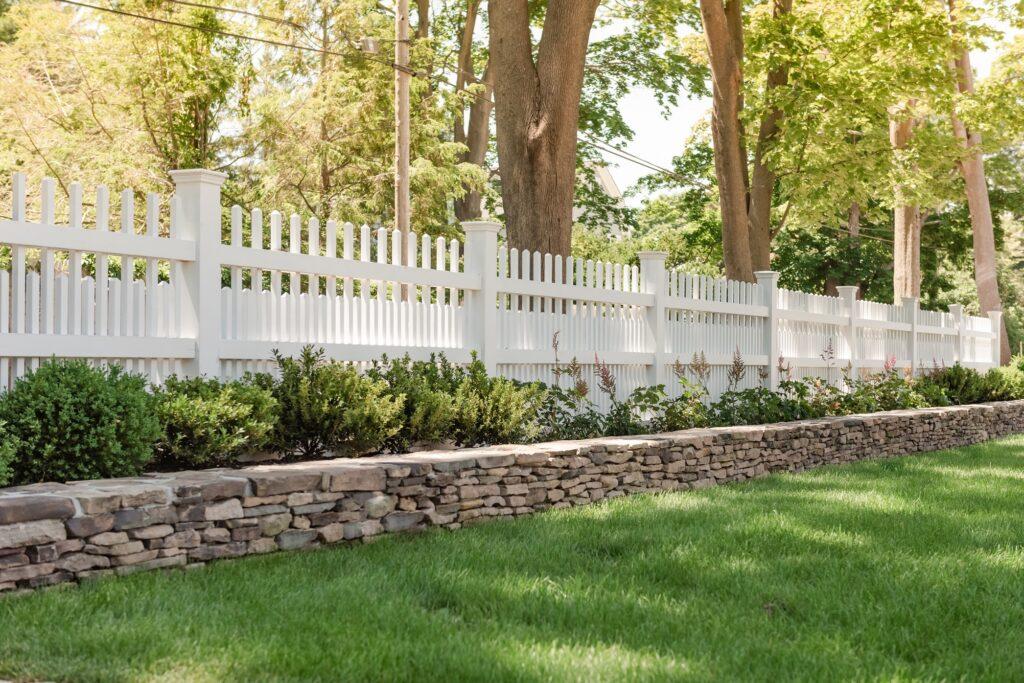
Regardless of whether you choose to DIY or hire a professional, the basic steps involved in fence installation are the same:
- Planning and Permitting: Check local zoning regulations and obtain any necessary permits before starting the project.
- Property Line Marking: Accurately mark your property lines to ensure the fence is installed within your boundaries.
- Post Hole Digging: Dig post holes at the appropriate spacing and depth, ensuring they are aligned and level.
- Post Setting: Set the posts in concrete, ensuring they are plumb and properly aligned.
- Rail Installation: Attach the rails to the posts, ensuring they are level and securely fastened.
- Picket/Panel Installation: Install the pickets or panels, ensuring they are evenly spaced and securely attached to the rails.
- Gate Installation: Install the gate, ensuring it swings freely and latches securely.
Proper maintenance is essential for extending the life of your fence and keeping it looking its best. The specific maintenance requirements will vary depending on the type of fencing material.
Wood Fences: Regularly inspect wood fences for signs of rot, decay, or insect damage. Clean the fence annually with a mild detergent and water. Apply a fresh coat of stain or paint every few years to protect the wood from the elements.
Vinyl Fences: Vinyl fences require minimal maintenance. Simply wash them with a garden hose or pressure washer to remove dirt and grime.
Chain-Link Fences: Chain-link fences are virtually maintenance-free. Inspect them periodically for signs of rust or damage and repair as needed.
Wrought Iron Fences: Regularly inspect wrought iron fences for signs of rust. Remove any rust with a wire brush and apply a rust-inhibiting primer and paint.
Aluminum Fences: Aluminum fences require minimal maintenance. Simply wash them with a garden hose or pressure washer to remove dirt and grime.
Composite Fences: Composite fences require minimal maintenance. Simply wash them with a garden hose or pressure washer to remove dirt and grime.
Beyond the Basics: Considerations for Specific Needs
Sloped Yards: Installing a fence on a sloped yard requires careful planning and execution. Stepped fencing, where the fence follows the contours of the land in a series of steps, is a common solution. Alternatively, racking the fence, where the pickets are angled to follow the slope, can create a more seamless look.
Corner Lots: Corner lots often require special attention to fence placement and design. Consider the visibility of the fence from the street and choose a style that complements the surrounding neighborhood.
- HOA Restrictions: If you live in a homeowners association (HOA), be sure to review the HOA guidelines before installing a fence. HOAs often have specific rules regarding fence height, style, and materials.
If you decide to hire a professional fence contractor, it's important to choose a reputable and experienced company. Get multiple quotes from different contractors and compare their prices, services, and warranties. Check online reviews and ask for references from previous clients. Ensure the contractor is licensed and insured. A good contractor will be able to assess your needs, recommend the best fencing solution for your property, and install the fence properly and efficiently.
The Final Word:
Choosing and installing a fence is a significant investment that can enhance the value, security, and aesthetics of your property. By carefully considering your needs, exploring your material options, and either mastering the DIY approach or selecting a qualified professional, you can create a fence that provides years of enjoyment and peace of mind. So, take the time to plan, research, and execute your fence project with care, and you'll be well on your way to creating the perfect perimeter for your home.